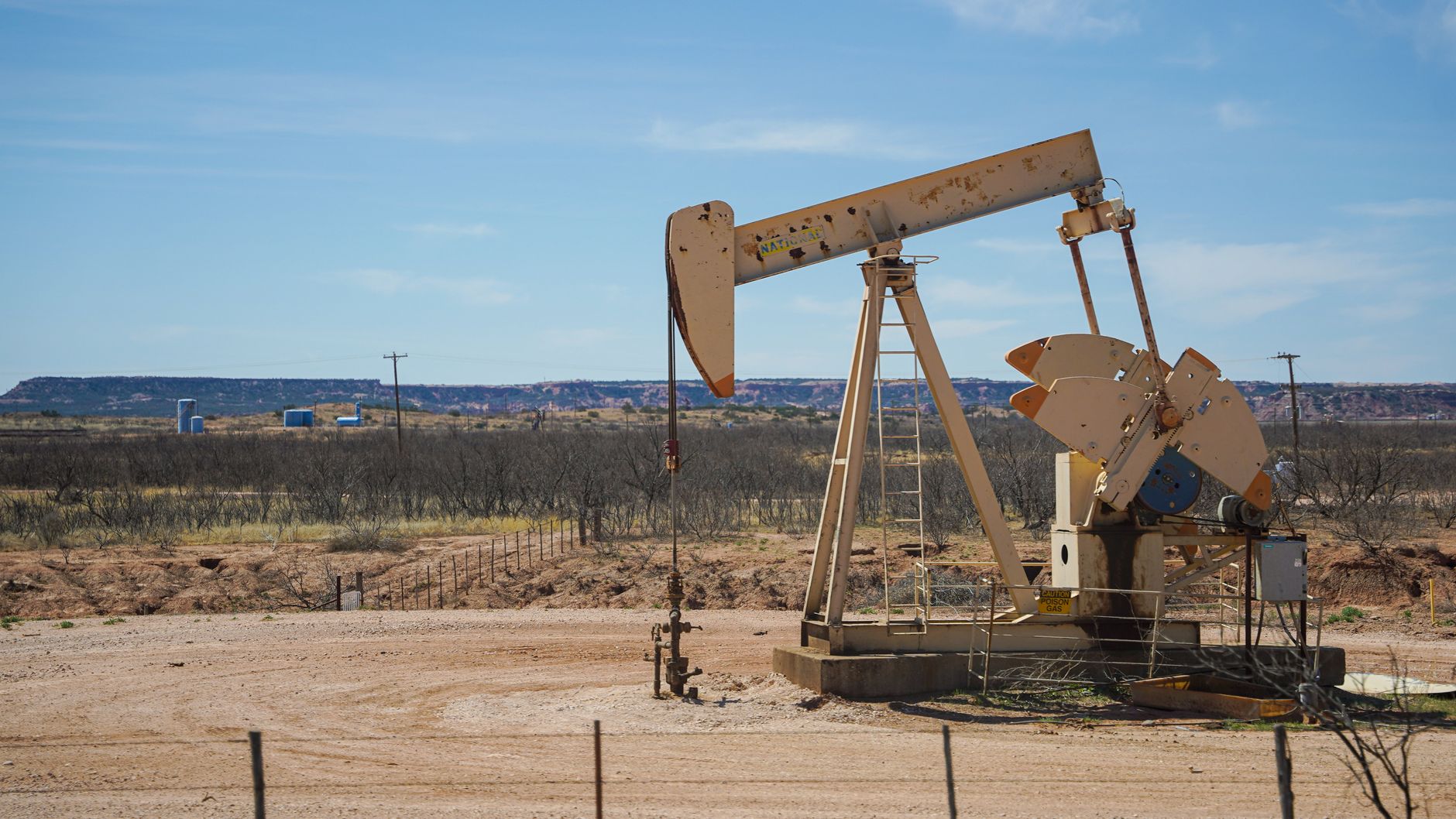
Crude prices impact the stock markets this week as West Asia conflict escalates. Investors are watching closely for market shifts driven by these developments.
Understanding Crude Prices
The fluctuations in crude prices have a profound influence on global markets, particularly in times of geopolitical unrest. Recent conflicts in West Asia have ignited concerns over oil supply disruptions, leading to significant increases in crude prices. This surge can directly affect inflation rates, consumer spending, and overall economic stability.
Investors are closely monitoring these developments as rising prices can shift market dynamics. Higher crude prices often lead to increased production costs for various industries, which may result in elevated prices for consumers. Conversely, oil-producing nations may experience a boost in revenues, potentially leading to economic growth in those regions.
Market analysts suggest that the impact of crude prices is multifaceted. Some key considerations include:
- Inflation Rates: As crude prices rise, so do costs across sectors, contributing to inflation.
- Stock Market Volatility: Sudden spikes in oil prices can lead to unpredictable stock market movements.
- Consumer Behavior: Higher gas prices may alter consumer spending patterns.
Understanding the intricate relationship between crude prices and market trends is crucial for investors and policymakers alike.
Impact of West Asia Conflict on Markets
The ongoing conflict in West Asia has significantly affected crude prices, leading to noticeable impacts on global markets. Investors are closely monitoring the situation, as fluctuations in oil prices can influence economic stability and growth trajectories.
Several key factors contribute to the relationship between the conflict and crude prices:
- Supply Chain Disruptions: Any escalation in the conflict can lead to disruptions in oil supply, which tends to increase prices.
- Geopolitical Tensions: Heightened tensions in the region can create uncertainty, prompting investors to seek safe-haven assets.
- Market Sentiment: As crude prices rise, market sentiment may shift, leading to greater volatility in stock markets.
With crude prices having a direct impact on inflation and consumer spending, analysts predict that the coming weeks will see heightened market activity as investors react to developments in West Asia. Staying informed on crude prices and their potential impacts is crucial for making educated investment decisions during this tumultuous period.
Current Stock Market Trends
As investors keep a close eye on the evolving situation in West Asia, current stock market trends are showing signs of volatility, heavily influenced by fluctuations in crude prices. Analysts predict that any changes in oil prices could significantly impact market performance this week.
The correlation between crude prices and stock markets is driven by several factors:
- Supply Chain Disruptions: Ongoing tensions have resulted in fears of supply chain disruptions, which can lead to increased crude prices.
- Inflation Concerns: Rising energy costs often contribute to overall inflation, affecting consumer spending and corporate profits.
- Investor Sentiment: Market reactions to geopolitical events can drive stock prices up or down, depending on investor confidence.
Market participants are advised to remain vigilant. Crude prices impact not only the energy sector but also broader economic indicators, making it essential for investors to adapt their strategies accordingly. As the situation develops, experts will continue to analyze how these trends will shape the stock market landscape.
Investor Strategies Amid Uncertainty
As crude prices continue to fluctuate amidst ongoing geopolitical tensions, investors are seeking strategies to navigate the uncertainty. The impact of crude prices on various sectors cannot be overstated, as they often dictate market movements and investor sentiment.
To mitigate risks associated with volatile crude prices, investors are considering the following strategies:
- Diversification: Spreading investments across multiple sectors can help reduce exposure to crude price swings, particularly for those heavily reliant on oil and gas.
- Hedging: Utilizing options and futures contracts can provide a buffer against price fluctuations, allowing investors to safeguard profits.
- Focus on Renewable Energy: Investing in renewable energy companies may prove beneficial as the market shifts towards sustainability, potentially offsetting losses in traditional energy sectors.
- Monitoring Global Events: Staying informed about geopolitical developments in West Asia is crucial, as these events can significantly influence crude prices and, in turn, market performance.
By adopting these strategies, investors can better position themselves to respond to the immediate effects of crude prices on the market.
Future Outlook for Crude and Stocks
The future outlook for crude prices and their impact on stock markets remains a critical focus for investors. Analysts predict that ongoing geopolitical tensions in West Asia will continue to influence crude prices, leading to volatility in the stock market. As the situation evolves, several factors will play a role in shaping the future landscape.
Key considerations include:
- Supply Chain Disruptions: Any escalation in conflict may disrupt oil supply chains, affecting crude prices and, consequently, market stability.
- Demand Fluctuations: Global economic recovery rates will dictate oil demand, with potential surges or declines impacting prices directly.
- Inflationary Pressures: Rising crude prices can lead to higher inflation, which may prompt central banks to adjust monetary policies, further influencing stock market trends.
Investors are advised to remain vigilant and consider diversifying their portfolios to mitigate risks associated with fluctuating crude prices. This dynamic environment necessitates a keen analysis of market trends to navigate the uncertainties ahead.
The crude prices impact on global economies has become increasingly significant as supply and demand fluctuate. Analysts are closely monitoring how these changes in crude prices impact various sectors, from transportation to manufacturing.
Photo by jayjay13 on Pexels
Sources
Related reading
Israeli startup funding: Best Proven Strategies for Success · Federal Reserve interest rates: Worst hike since 2023 · Post Office Superhit Scheme: Proven Way to Earn Rs 9,250