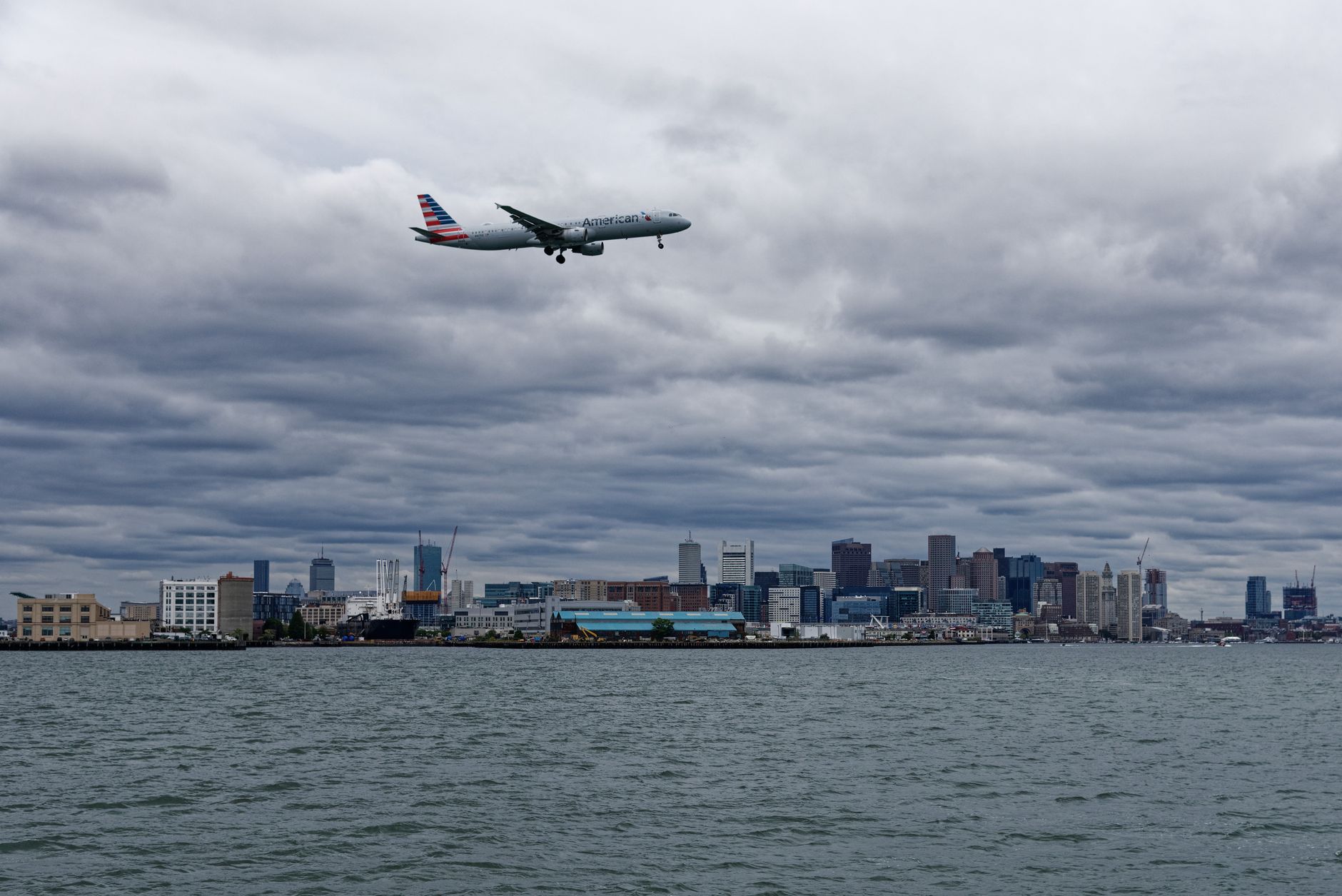
East Coast airport flights have been disrupted after a fiber line cut at a construction site. This incident has raised concerns about travel safety and operational efficiency.
Impact of Fiber Line Cut on Flights
The recent fiber line cut has raised concerns about the safety and efficiency of East Coast airport flights. Authorities reported that the disruption occurred at a construction site, leading to the temporary halt of operations at major airports including JFK, LaGuardia, and Newark.
The impact of this incident has been significant, affecting thousands of travelers. Many flights were delayed or canceled, prompting frustration among passengers and airlines alike. The Federal Aviation Administration (FAA) quickly responded by implementing ground stops, which are measures taken to prevent takeoffs and landings in affected areas.
Travelers are advised to stay updated on their flight statuses and check with airlines for the latest information. While the situation is expected to improve as repairs are made, the incident has highlighted the vulnerabilities in airport infrastructure.
As the investigation continues, officials are working to ensure that operations return to normal as soon as possible. In the meantime, the safety of East Coast airport flights remains a top priority, with measures in place to safeguard air travel amidst this unexpected disruption.
- Major airports affected: JFK, LaGuardia, Newark
- Disruptions caused: flight delays and cancellations
- Authorities responding: FAA ground stops implemented
Travel Delays at Major Airports
Travelers experienced significant disruptions at major East Coast airports following the recent fiber line cut. The incident has led to widespread delays and cancellations, raising concerns about the safety and reliability of East Coast airport flights.
According to reports, the affected airports include:
- Newark Liberty International Airport
- JFK Airport
- LaGuardia Airport
- Philadelphia International Airport
As operations were temporarily halted, many flights were grounded, leaving passengers stranded and frustrated. Airlines scrambled to reroute flights and accommodate travelers, but the ripple effect continued throughout the day.
Officials are working diligently to restore normal operations, but they advise travelers to check their flight status before heading to the airport. The fiber line cut has raised questions about infrastructure vulnerabilities and the potential for future incidents that could impact East Coast airport flights.
With many travelers relying on these airports for business and leisure travel, experts emphasize the importance of maintaining robust communication systems to prevent such occurrences in the future.
Safety Measures for Passengers
In light of the recent fiber line cut that disrupted East Coast airport flights, authorities are taking significant measures to ensure passenger safety. The Federal Aviation Administration (FAA) has implemented a series of protocols aimed at enhancing security and operational efficiency.
Among the new safety measures are:
- Increased Communication: Airports are improving their communication systems to keep passengers informed about flight statuses and safety updates.
- Additional Staffing: Airports are deploying more staff to assist travelers, particularly during peak hours, to ensure smooth operations.
- Enhanced Surveillance: Security personnel are on high alert, with increased surveillance to monitor any unusual activity in and around airport premises.
- Emergency Protocols: Airports are reviewing and updating emergency response plans to prepare for potential disruptions caused by infrastructure issues.
Passengers are encouraged to stay vigilant and report any suspicious behavior. With the right measures in place, authorities aim to restore confidence in East Coast airport flights while prioritizing the safety and well-being of all travelers.
Construction Site Concerns
Concerns have been raised regarding the safety of East Coast airport flights following the recent incident involving a cut fiber line at a construction site. This disruption not only affected communication systems but also highlighted potential vulnerabilities in airport operations.
Many travelers and airport officials are worried about the implications of such construction activities near critical infrastructure. The fiber line cut has prompted an assessment of safety protocols in place at various airports. Authorities are now reviewing the following:
- Construction Regulations: Ensuring that construction sites are adequately monitored and managed to prevent future incidents that could impact airport operations.
- Communication Systems: Evaluating alternative communication methods that could be employed should a similar disruption occur again.
- Emergency Protocols: Strengthening emergency response plans to ensure swift action can be taken in the event of unexpected outages.
While the immediate safety of East Coast airport flights has not been compromised, the incident serves as a wake-up call for both airline operators and regulatory bodies to prioritize safety in construction planning and execution.
Government Response to Disruptions
In response to the recent disruptions caused by the fiber line cut, government officials have taken immediate action to ensure the safety and reliability of East Coast airport flights. The Federal Aviation Administration (FAA) stated that it is closely monitoring the situation and coordinating with airport authorities to address any potential risks associated with the incident.
Officials have outlined several measures aimed at restoring normal operations and maintaining passenger trust:
- Increased Surveillance: Airports have been instructed to enhance security measures and surveillance around construction sites to prevent further incidents.
- Immediate Repairs: Telecommunications companies are working around the clock to repair the damaged fiber line, with priority given to areas that affect air traffic control communications.
- Passenger Communication: Airlines are being urged to keep passengers informed about flight statuses and any potential delays linked to the incident.
- Safety Reviews: A comprehensive review of safety protocols at affected airports is underway to assess and improve current standards.
The government remains committed to ensuring that East Coast airport flights resume safely and efficiently while minimizing inconvenience for travelers.
Airline Communication Strategies
In response to the recent disruptions caused by the fiber line cut, airlines are enhancing their communication strategies to keep passengers informed about the status of East Coast airport flights. Many carriers have adopted a proactive approach, issuing timely updates through various channels.
- Text Alerts: Passengers can opt into receiving SMS notifications regarding flight changes, delays, or cancellations.
- Social Media: Airlines are utilizing platforms like Twitter and Facebook to provide real-time updates and address passenger concerns.
- Mobile Apps: Many airlines have updated their apps to include live tracking features for flights, allowing travelers to stay updated on their flight status at all times.
- Customer Service Hotlines: Enhanced staffing at call centers ensures that travelers can get assistance quickly, reducing stress during this uncertain time.
Moreover, airlines are working closely with airport authorities to streamline communication, ensuring that all information disseminated is accurate and up-to-date. By prioritizing transparency and responsiveness, airlines aim to reassure passengers about the safety and reliability of East Coast airport flights in light of recent events.
Future of East Coast Air Travel
As airlines and regulatory bodies assess the aftermath of the fiber line cut, the future of East Coast airport flights remains a topic of considerable concern among travelers and industry experts. The incident has raised questions about the resilience of communication infrastructure essential for flight safety and operations.
Travelers are advised to stay informed about updates from airlines and airports, as recovery efforts are underway. With a significant number of flights disrupted, airlines are implementing measures to ensure that safety remains a top priority moving forward.
Industry analysts suggest that this incident could prompt a reevaluation of safety protocols and infrastructure robustness at major airports. Key considerations include:
- Investment in Infrastructure: Upgrades to communication lines and technology to prevent future disruptions.
- Regular Safety Audits: Enhanced evaluation of airport systems to ensure compliance with safety standards.
- Emergency Response Training: Improved training for staff to handle unforeseen events efficiently.
Overall, while the immediate effects of the fiber line cut have been significant, the long-term outlook for East Coast airport flights will depend on how effectively these measures are implemented to safeguard future travel.
Photo by Gu Bra on Pexels