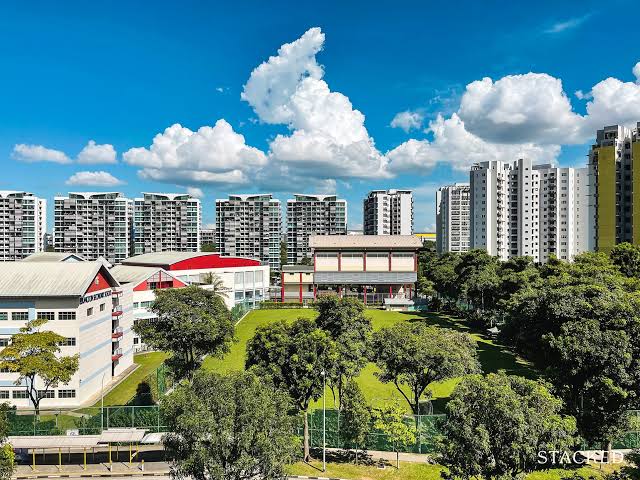
For families with school-going children, choosing the right residential location is a decision that extends far well beyond floor plans and interior aesthetics. In Singapore, proximity to reputable educational institutions, child-friendly neighborhood amenities, and safe community environments plays a central role in long-term property decisions. Whether you are raising toddlers or preparing teenagers for higher education, understanding how different districts cater to family life is essential.
Let us examine how family-oriented infrastructure, schools, and neighborhood planning differ across the island.
Family Living in Established Urban and Central Districts
Securing a home in a mature city-fringe location offers unique advantages for households that value a blend of career flexibility and cultural enrichment. Properties situated near central districts like Dorset Gardens place families within close reach of a wide array of enrichment centers, specialized music schools, libraries, and museums.
While central residential zones are typically bustling, they provide older children and teenagers with excellent public transport connectivity to various secondary schools, junior colleges, and tertiary institutions across Singapore. Parents who work in the central business district also benefit from shorter commuting loops, allowing them to balance demanding professional schedules with family commitments.
Living in the city center introduces children to a dynamic, cosmopolitan environment, encouraging independence as they navigate public transport networks and explore diverse cultural spaces.
Suburban and Regional Hubs Tailored for Growing Families
Conversely, residential enclaves located in regional centers like Clovelle of Woodlands are traditionally designed with families and children in mind. These neighborhoods generally feature a higher concentration of primary schools, secondary institutions, and neighborhood parks situated right within the residential heartlands.
The daily rhythm in a regional hub is exceptionally conducive to family life. Wide sidewalks, traffic-calmed residential streets, and abundant community playgrounds make it safe for children to walk to school or play outdoors. Families benefit from spacious neighborhood libraries, community swimming complexes, and family-centric retail malls that host enrichment classes, pediatric clinics, and family dining options all in one convenient location.
For households seeking a nurturing environment with a strong community spirit, northern and regional sectors offer an ideal setting for children to grow up.
Key Factors for Families When Choosing a Location
When evaluating properties through a family-centric lens, keep these practical considerations in mind:
- School Accessibility: Assess travel times during peak morning hours. Even if a school is geographically close, convenient bus routes or direct MRT connections make a significant difference in a child’s daily routine.
- Child-Friendly Amenities: Look for neighborhood parks, swimming complexes, and community libraries that support active, well-rounded lifestyles outside of school hours.
- Long-Term Adaptability: Consider how the neighborhood will serve your household as your children grow from toddlers into teenagers requiring independent transit.
Making the Right Choice for Your Household
Choosing a family home requires balancing educational convenience with your preferred lifestyle pace. Whether you appreciate the urban vibrancy and accessibility of Dorset Gardens or the spacious, school-friendly community atmosphere surrounding Clovelle of Woodlands, prioritizing your children’s daily well-being will lead you to the right neighborhood.
Take time to visit prospective areas during school arrival and dismissal hours to observe traffic patterns, pedestrian safety, and the overall neighborhood vibe. Making an informed choice ensures your home remains a supportive, joyful foundation for your family’s future.