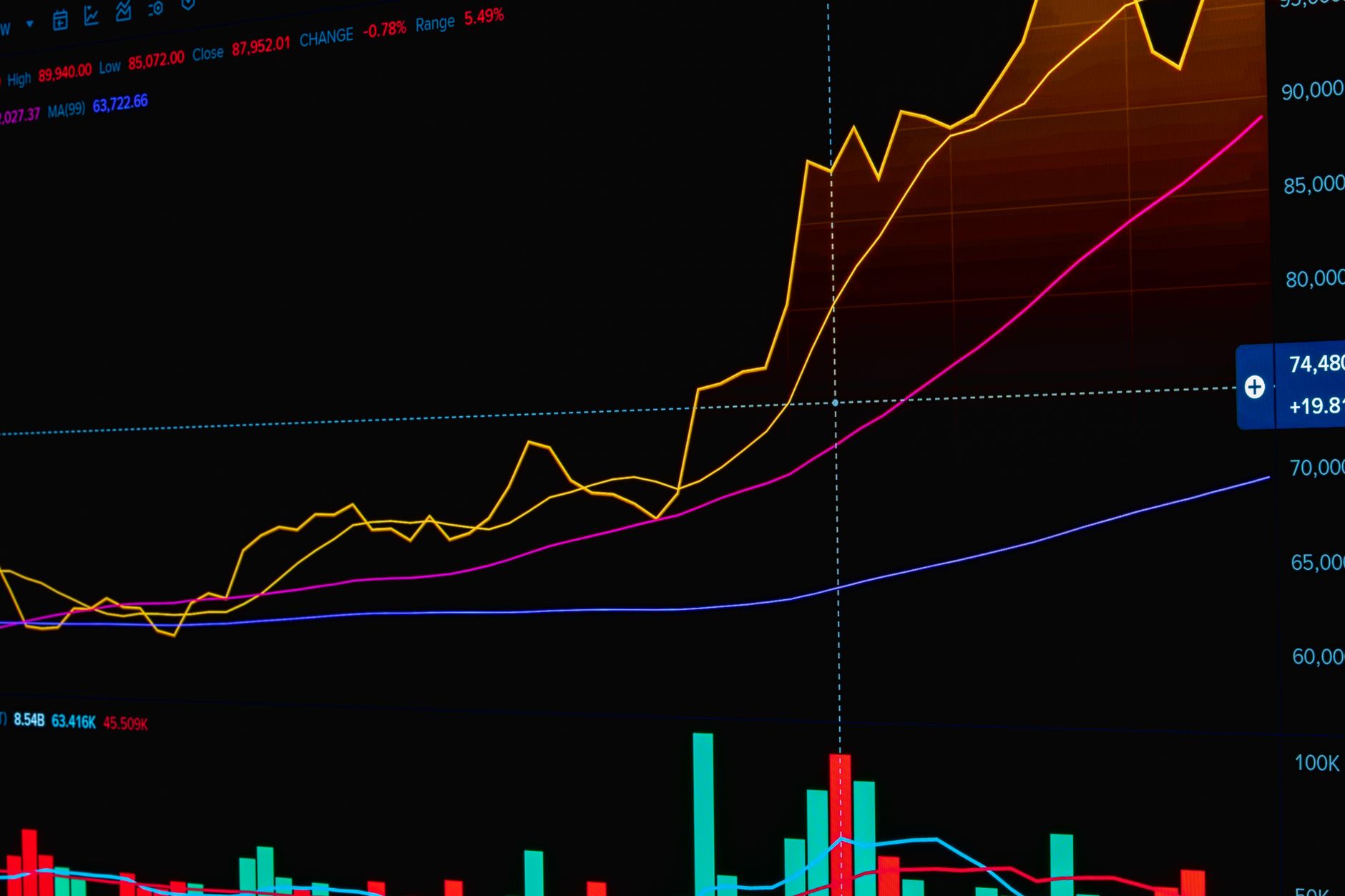
Stock Market Crash has led to a staggering loss of Rs 7.5 lakh crore for investors as the Sensex plummets. This situation raises critical questions about market stability.
Understanding the Stock Market Crash
The recent stock market crash has sent shockwaves through the financial community, leading to significant losses for investors. As reported, investors have collectively lost a staggering Rs 7.5 lakh crore as the Sensex plummeted by 1,064 points, pushing the Nifty index below 22,850. This dramatic decline raises concerns about the overall health of the economy and the sustainability of investments in such volatile times.
Understanding the stock market crash involves recognizing several key factors:
- Market Sentiment: Investor confidence is crucial for market stability. A sudden downturn can lead to panic selling, exacerbating the decline.
- Global Influences: Economic events around the world can impact local markets. Factors such as geopolitical tensions, inflation rates, and policy changes in major economies can contribute to market volatility.
- Sector Performance: Certain sectors may be more vulnerable during a market crash. Investors need to analyze which industries are affected and why.
- Long-Term vs. Short-Term: While short-term losses can be alarming, long-term investors often find opportunities during market downturns.
Ultimately, the stock market crash serves as a reminder of the inherent risks associated with investing. It is essential for investors to remain informed and consider their strategies carefully in response to such fluctuations.
What Caused the Recent Market Decline?
The recent stock market crash has left many investors bewildered and seeking answers regarding its underlying causes. A combination of factors contributed to the dramatic decline, impacting investor confidence and market stability.
One significant factor was the rise in global interest rates, which has made borrowing more expensive. This situation has led to concerns about inflation and its potential to slow down economic growth. Additionally, geopolitical tensions have heightened uncertainties, prompting investors to reassess their portfolios.
Another crucial element was the poor performance of major sectors, particularly technology and finance. As these sectors struggled, many investors opted to pull out their investments, further exacerbating the decline. Analysts noted that the sudden drop in consumer spending also played a role, as consumers faced rising costs of living.
Furthermore, the ongoing supply chain disruptions have contributed to corporate earnings misses, leading to a negative outlook among investors. The combination of these factors created a perfect storm, resulting in a stock market crash that has seen the Sensex lose over 1,000 points.
As the dust settles, investors are left grappling with the impact of this decline, questioning their strategies and the future trajectory of the market. Understanding the causes behind the recent market decline is crucial for making informed decisions moving forward.
Impact on Retail Investors
The recent stock market crash has left many retail investors grappling with uncertainty and significant financial losses. As major indices like the Sensex and Nifty experienced sharp declines, the repercussions have been felt across households, affecting not just the wealthy but everyday investors as well.
Many retail investors had recently entered the market, drawn by the promise of quick returns. However, with the Nifty dropping below 22,850, and the Sensex plunging 1,064 points, a staggering Rs 7.5 lakh crore has been wiped off the market. This erosion of wealth has prompted investors to reevaluate their strategies and risk tolerance.
The impact on retail investors can be categorized into several key areas:
- Financial Losses: Many individuals are seeing their portfolios diminish, leading to increased anxiety about their financial futures.
- Emotional Stress: The psychological toll of sudden losses can lead to panic selling, further exacerbating market volatility.
- Long-Term Strategies: Some investors may shift towards more conservative investment strategies, opting for safer assets rather than equities.
- Market Sentiment: The fear generated by the crash may deter new investors from entering the market, resulting in reduced liquidity.
In conclusion, the stock market crash has profound implications for retail investors, prompting a critical reassessment of their investment approaches.
Expert Opinions on Future Trends
As the stock market crash continues to reverberate through the financial landscape, experts are weighing in on the potential future trends that investors should be aware of. According to financial analysts, the recent decline in market indices like the Sensex and Nifty has raised concerns about the overall health of the economy.
Dr. Anjali Mehra, a leading economist, suggests that while the current downturn is alarming, it may present unique opportunities for savvy investors. “Market corrections are a natural part of economic cycles. Those who can endure short-term volatility may benefit in the long run,” she explains.
On the other hand, Rajesh Kumar, a seasoned stock market strategist, warns that the stock market crash could lead to a prolonged period of instability. “Investors should brace themselves for potential further declines,” he advises. “It’s crucial to focus on the fundamentals of the companies you invest in rather than getting swept up in market hysteria.”
Additionally, many experts agree that diversifying portfolios and exploring alternative investment avenues, such as bonds and real estate, may mitigate risks associated with such market downturns. “Investors should not lose sight of the bigger picture,” comments financial planner Simran Kapoor. “Strategic adjustments can often lead to positive outcomes even amidst chaos.”
Historical Context of Market Crashes
The historical context of market crashes provides valuable insights into their patterns and consequences, helping investors navigate the uncertainty surrounding a stock market crash. Over the past century, numerous significant crashes have left lasting impacts on economies and investor behavior.
One of the most notable events was the Great Depression in 1929, which initiated a decade of economic turmoil and resulted in widespread financial loss. Investors experienced drastic declines, leading to a reevaluation of market regulations and practices.
Similarly, the dot-com bubble burst in the early 2000s highlighted the risks associated with speculative investing. As technology stocks plummeted, many investors lost their life savings, prompting a reconsideration of investment strategies and a shift towards more sustainable practices.
More recently, the 2008 financial crisis exposed the vulnerabilities within the global financial system. The collapse of major financial institutions triggered a severe stock market crash, resulting in millions of investors facing substantial losses.
In the wake of these historical events, it’s clear that a stock market crash can lead to not only immediate financial losses but also long-term changes in investor confidence and market dynamics. Understanding these past occurrences can prepare current investors for potential future downturns and assist them in developing more resilient investment strategies.
How to Protect Your Investments
As the recent stock market crash has left many investors reeling from significant losses, it is crucial to consider strategies to protect investments during such volatile periods. Here are some effective approaches to safeguard your financial assets:
- Diversification: One of the best ways to mitigate risk is to diversify your portfolio across various sectors and asset classes. By spreading investments, you reduce the impact of a single market downturn on your overall financial health.
- Emergency Fund: Maintaining an emergency fund can provide a safety net during market crashes. This fund allows you to avoid selling investments at a loss when immediate cash is needed.
- Long-Term Perspective: Investors should focus on long-term goals rather than short-term fluctuations. Historically, markets have recovered from crashes, and maintaining a long-term view can help investors avoid panic selling.
- Regular Reviews: Periodically reviewing your investment strategy can help you pivot as necessary. Consider market trends and adjust your portfolio to align with your risk tolerance and financial objectives.
- Consulting Professionals: Engaging with financial advisors can provide tailored insights based on your individual circumstances, especially during turbulent times like a stock market crash.
By implementing these strategies, investors can better navigate the uncertainties of the stock market and protect their investments against unforeseen downturns.
Lessons Learned from the Current Situation
The recent stock market crash has underscored several critical lessons for investors navigating the volatile financial landscape. As the Sensex dropped significantly, leading to a staggering loss of Rs 7.5 lakh crore, the importance of strategic planning and risk management has never been clearer.
Firstly, diversification remains a vital strategy. Investors who concentrated their portfolios heavily in a few sectors faced more severe losses compared to those who spread their investments across various industries. This crash serves as a reminder that a well-diversified portfolio can help mitigate risks during turbulent market conditions.
Secondly, the need for emotional discipline is paramount. Many investors succumbed to panic selling as the market plummeted, which often leads to greater losses. Maintaining a long-term perspective and sticking to a pre-defined investment strategy can prevent hasty decisions that are detrimental to wealth accumulation.
Moreover, staying informed about market trends and economic indicators is crucial. Investors should continuously educate themselves about potential market movements and the factors influencing them. This knowledge can help them respond more effectively to sudden shifts.
Lastly, it’s essential to remember that market crashes, while painful, can also present opportunities for savvy investors. The current situation emphasizes the importance of preparedness and adaptability in achieving long-term financial goals.
By mudpig via Openverse