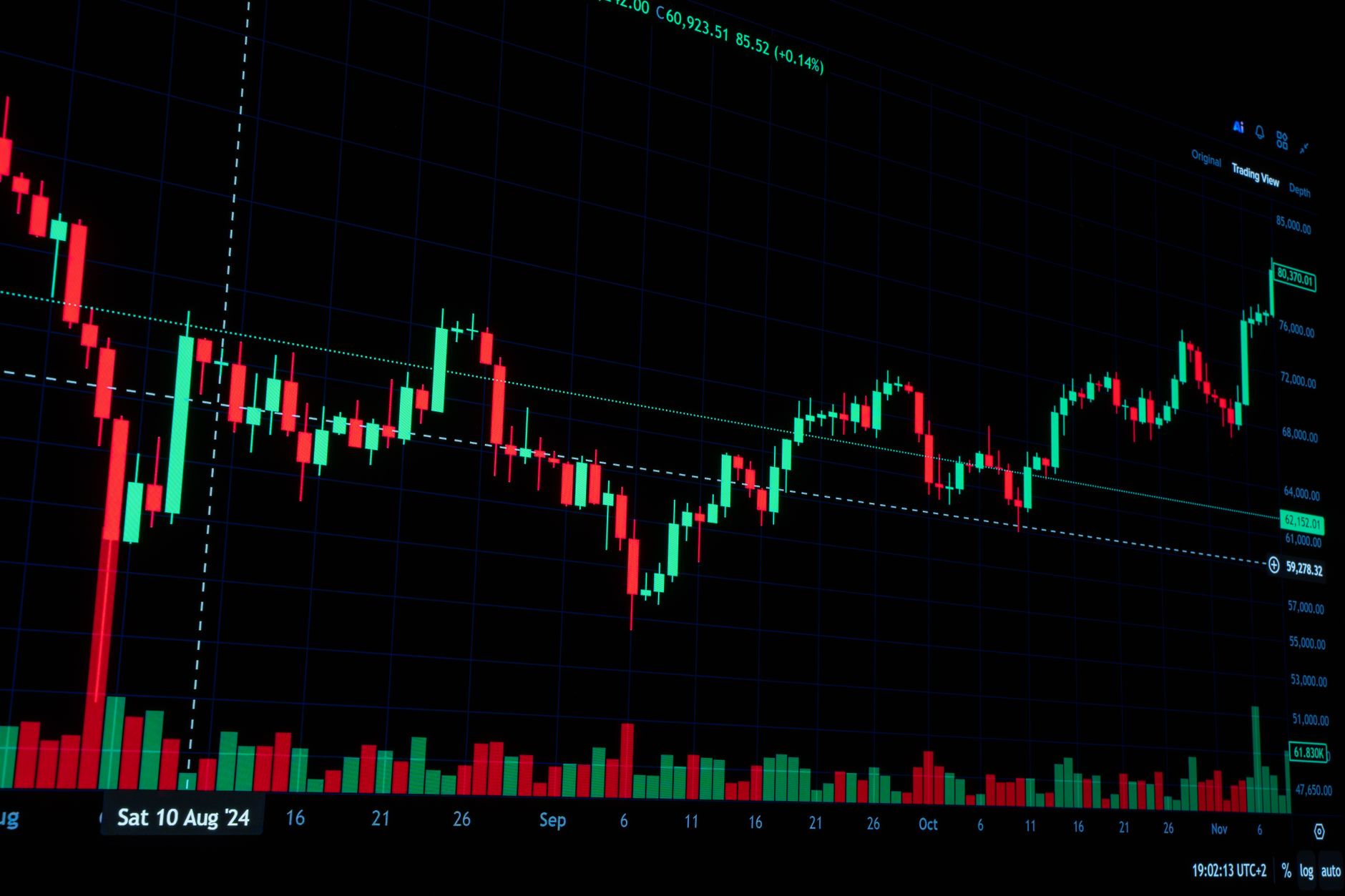
Forex derivatives rules are being tightened by the RBI, which has also opened a special dollar window specifically for oil companies.
Overview of the new Forex derivatives rules
The recent adjustments to Forex derivatives rules have significant implications for oil companies operating in India. These changes, initiated by the Reserve Bank of India (RBI), aim to enhance regulatory oversight while providing greater clarity in the forex market.
Key aspects of the new rules include:
- Increased Transparency: The RBI has mandated more detailed reporting requirements for Forex derivatives transactions, ensuring that all dealings are documented and easily traceable.
- Special Dollar Window: A new provision allows oil companies access to a designated dollar window, facilitating easier currency conversions and reducing exposure to currency fluctuations.
- Risk Management Measures: Companies will be encouraged to adopt robust risk management strategies, ensuring they are better prepared to navigate market volatility.
- Compliance Timelines: Firms will need to adhere to strict compliance timelines to align with the updated Forex derivatives rules.
These developments are poised to reshape the operational landscape for oil companies, providing both challenges and opportunities in the ever-evolving forex environment.
Impact on oil companies
The recent changes in Forex derivatives rules have significant implications for oil companies operating in the Indian market. These regulations aim to enhance transparency and mitigate risks associated with foreign exchange transactions. As a result, companies will need to adapt their trading strategies to comply with the new framework.
One of the primary effects of the updated rules includes stricter reporting requirements for currency derivatives. This will necessitate greater diligence in documenting transactions, which may increase operational costs for oil firms. Additionally, the Reserve Bank of India (RBI) has introduced a special dollar window specifically for oil companies, facilitating easier access to foreign currency. This measure aims to stabilize the currency market and ensure that oil firms can meet their foreign exchange obligations without undue pressure.
While these changes may present challenges, they also offer opportunities for oil companies to navigate the foreign exchange landscape more effectively. Companies that adapt swiftly to the new Forex derivatives rules could gain a competitive edge in the market.
Details of the special dollar window
The recent changes in Forex derivatives rules have introduced a special dollar window aimed at easing the financial burden on oil companies. This initiative is part of the Reserve Bank of India’s efforts to stabilize the foreign exchange market and provide necessary liquidity.
Key details regarding the special dollar window include:
- Access to USD funds: Oil companies can directly access U.S. dollars to meet their import requirements, reducing dependency on local currency fluctuations.
- Liquidity support: The window is designed to provide immediate liquidity, ensuring that businesses can operate without significant disruptions.
- Enhanced risk management: With clearer Forex derivatives rules, companies can hedge their positions more effectively, minimizing the impact of currency volatility.
- Temporary measure: This facility is expected to be in place for a limited time, reflecting the government’s responsive strategy to ongoing market challenges.
This special dollar window highlights the commitment to support oil companies amid evolving Forex derivatives regulations.
Reasons behind the RBI’s decision
The Reserve Bank of India (RBI) has implemented new Forex derivatives rules primarily to enhance financial stability and mitigate risks associated with currency fluctuations. The decision stems from a need to address the growing complexities in the global forex market, particularly in light of recent volatility.
Among the key reasons behind this decision are:
- Increased Speculation: The RBI observed a surge in speculative activities that could jeopardize the financial health of businesses, especially those heavily reliant on foreign currencies.
- Risk Management: By tightening regulations, the RBI aims to promote better risk management practices among companies, ensuring they are better equipped to handle currency swings.
- Support for Oil Companies: The introduction of a special dollar window specifically for oil companies is intended to provide them with easier access to foreign currency, helping mitigate their exposure to forex risks.
These changes reflect a proactive approach by the RBI, emphasizing the importance of robust regulations in the evolving landscape of Forex derivatives rules.
Market reactions to the changes
Market reactions to the recent changes in Forex derivatives rules have been swift and significant. Analysts observed an immediate shift in trading patterns as oil companies adjusted their strategies in response to the newly implemented regulations. Investors expressed concerns about the potential volatility these rules could introduce in the foreign exchange market.
In the wake of the announcement, several oil companies reported fluctuations in their stock prices, as market participants reassessed the risks associated with currency hedging. This has led to a mixed sentiment among traders, with some viewing the changes as an opportunity while others remain cautious.
Additionally, the special dollar window introduced by the Reserve Bank of India (RBI) has created a sense of relief among oil firms, allowing them to manage their dollar requirements more effectively. However, the long-term implications of the new Forex derivatives rules continue to be debated among industry experts, with many emphasizing the need for clarity in the evolving landscape.
Future implications for Forex trading
The recent changes in Forex derivatives rules are poised to reshape the trading landscape, particularly for oil companies. As these firms adapt to the new regulations, several implications may emerge that could affect their operational strategies and financial outcomes.
Firstly, the adjustments may lead to increased volatility in Forex markets, impacting how oil companies hedge against currency fluctuations. Companies will need to reassess their risk management approaches to align with the revised rules, ensuring compliance while protecting their bottom lines.
Moreover, the introduction of the special dollar window could alter liquidity dynamics, offering oil firms a more streamlined approach to accessing foreign currency. However, it may also lead to increased competition among companies vying for limited resources.
In the long run, these Forex derivatives rules may push companies to innovate, exploring new financial instruments and strategies to navigate the complex market landscape. This period of transition, while challenging, could ultimately foster a more resilient sector capable of adapting to evolving market conditions.
Expert opinions on the new regulations
As the new Forex derivatives rules come into effect, industry experts are weighing in on the potential consequences for oil companies and the broader market. Dr. Anjali Mehta, a financial analyst, emphasized the importance of these regulations, stating, “The tightening of Forex derivatives rules is aimed at stabilizing the market, but it also places a heavier burden on companies that rely on foreign currency for transactions.”
Another expert, Rajesh Kumar, highlighted the challenges faced by oil companies in navigating these changes. “These new rules may lead to increased costs for hedging against currency fluctuations, which could impact profit margins significantly,” he noted.
Moreover, Emily Tran, a senior economist, remarked on the RBI’s strategy: “The introduction of the special dollar window is a calculated move to ease the transition for oil companies. It reflects a recognition of the unique pressures these firms face in the current economic climate.”
Overall, experts agree that while the Forex derivatives rules aim to enhance market stability, oil companies must adapt quickly to mitigate potential risks.
Photo by Rafael Minguet Delgado on Pexels
Sources
Related stories
Washington millionaires tax: The Right Approach to Fair Funding · XRP ETF flows: Is this the best time to invest? · RBI rate hike impact: The Real Cost This Festive Season