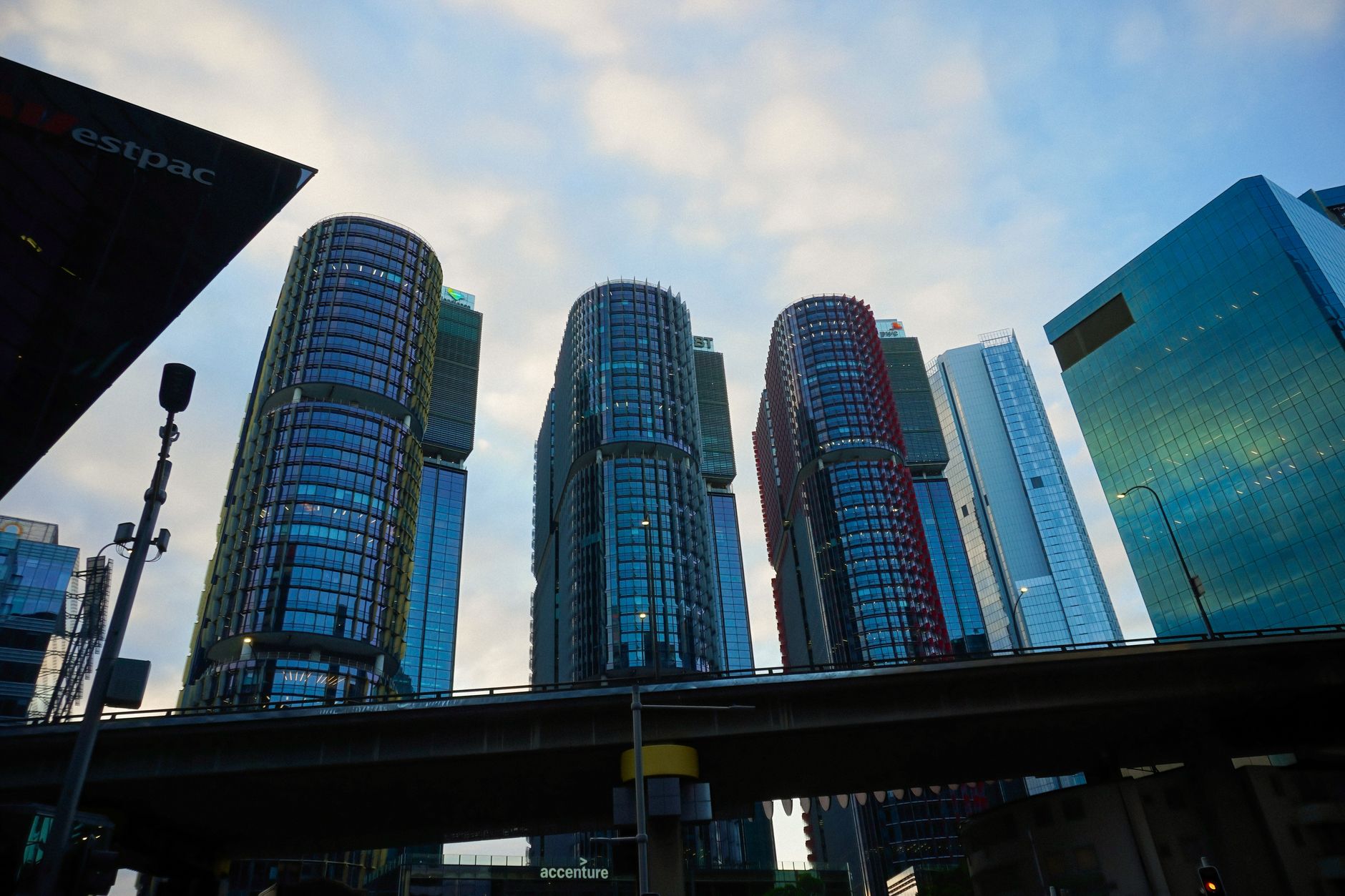
RBI turns hawkish as it takes measures to combat rising inflation and a depreciating rupee. This shift in policy raises questions about its impact on the economy.
Understanding RBI’s Hawkish Stance
The Reserve Bank of India (RBI) has recently adopted a hawkish stance, aiming to combat rising inflation and stabilize the currency. This shift in policy has raised questions about its potential impact on the economy.
Understanding the RBI’s hawkish approach involves several key factors:
- Interest Rates: By increasing interest rates, the RBI hopes to curb consumer spending and borrowing, which can help to bring down inflationary pressures.
- Inflation Targets: The RBI has set specific inflation targets, and its hawkish stance is a response to the challenges of achieving these goals amid global economic uncertainties.
- Currency Stability: A hawkish policy can strengthen the Indian rupee, which has faced depreciation in recent months, affecting import costs and overall economic stability.
- Market Reactions: Financial markets often react strongly to changes in monetary policy, and the RBI’s shift could influence investments and stock market performance.
This proactive approach by the RBI reflects its commitment to maintaining economic stability, yet it raises concerns about the potential slowdown in growth as borrowing costs increase. Will this hawkish move effectively manage inflation?
Impact on Inflation Rates
The recent decision by the Reserve Bank of India (RBI) to adopt a hawkish stance has significant implications for inflation rates across the country. By raising interest rates, the RBI aims to curb the rising inflation that has been affecting consumers and businesses alike.
A hawkish approach often indicates a proactive strategy to combat inflation, which has been fueled by various factors, including supply chain disruptions and increased demand post-pandemic. The RBI’s move is expected to:
- Reduce consumer spending: Higher interest rates may discourage borrowing, leading to decreased consumer expenditure.
- Stabilize the currency: A stronger rupee can help lower import costs, which may contribute to easing inflationary pressures.
- Influence expectations: By signaling its commitment to controlling inflation, the RBI may also shape public expectations about future price stability.
However, the effectiveness of this hawkish policy will depend on various external factors, such as global economic conditions and domestic growth. As the RBI turns hawkish, the challenge remains to strike a balance between controlling inflation and supporting economic growth.
The Falling Rupee Explained
The recent decision by the Reserve Bank of India (RBI) to adopt a hawkish stance has raised questions regarding the implications for the Indian rupee. A falling rupee can significantly impact inflation, making imported goods more expensive and further straining the economy.
Several factors contribute to the depreciation of the rupee:
- Global Economic Conditions: Ongoing geopolitical tensions and economic slowdowns in other countries can lead to reduced foreign investment in India.
- Trade Deficit: A growing trade deficit, where imports exceed exports, puts additional pressure on the rupee.
- Inflation Rates: As inflation rises, the purchasing power of the rupee declines, leading to a negative feedback loop on its value.
In response to these challenges, the RBI turns hawkish, tightening monetary policy to stabilize the currency. This shift aims to curb inflation by raising interest rates, which may help attract foreign investment and support the rupee’s value.
However, the effectiveness of this strategy remains to be seen, as it balances the need for economic growth against the pressures of inflation and currency depreciation.
Market Reactions to RBI Decisions
The recent decision by the Reserve Bank of India (RBI) to adopt a hawkish stance has elicited varied reactions from the markets. Investors are grappling with the implications of this shift, particularly in light of rising inflation and currency concerns.
Market analysts have noted the following reactions:
- Stock Markets: Indian equity indices experienced volatility following the announcement, with many investors pulling back in anticipation of tighter monetary policy.
- Bond Yields: Government bond yields have risen as traders adjust their expectations for future interest rate hikes, reflecting a more cautious outlook.
- Currency Markets: The Indian rupee initially stabilized but remains under pressure amidst concerns over international trade dynamics.
While some investors view the RBI’s hawkish approach as necessary for maintaining price stability, others fear that it may stifle economic growth. The balance between curbing inflation and supporting growth will be crucial in the coming months.
Overall, the RBI turns hawkish presents a critical moment for market participants who must navigate this changing landscape with caution.
Future Outlook for Indian Economy
The future outlook for the Indian economy appears uncertain as the Reserve Bank of India (RBI) turns hawkish in its approach to monetary policy. This shift aims to combat rising inflation while addressing the challenges posed by a depreciating rupee. Economists and analysts are closely monitoring how these decisions will impact various sectors and overall economic growth.
Several factors will play a crucial role in shaping the future of the Indian economy:
- Global Economic Trends: Changes in global markets and international trade dynamics could influence India’s economic recovery.
- Domestic Consumption: A potential slowdown in consumer spending may occur as interest rates rise, affecting businesses and job growth.
- Investment Climate: The hawkish stance of the RBI might deter foreign investments, leading to a cautious approach among investors.
- Inflation Control: While a hawkish RBI aims to curb inflation, its effectiveness will depend on external factors like crude oil prices and food supply chains.
As the RBI navigates these challenges, stakeholders must stay vigilant and adaptable to the evolving economic landscape.
The recent decision to raise interest rates comes as the RBI turns hawkish, aiming to curb rising inflation. Many economists are debating whether this shift is the right move for inflation in the long term.
Photo by Rajukhan Pathan on Pexels
Sources
You might also like
How to Choose a Singapore Condominium for Families With Young Children · India Cements Q2 results: Worst financial performance revealed · Is Multibagger Stock the Best Way to Grow Your Wealth?