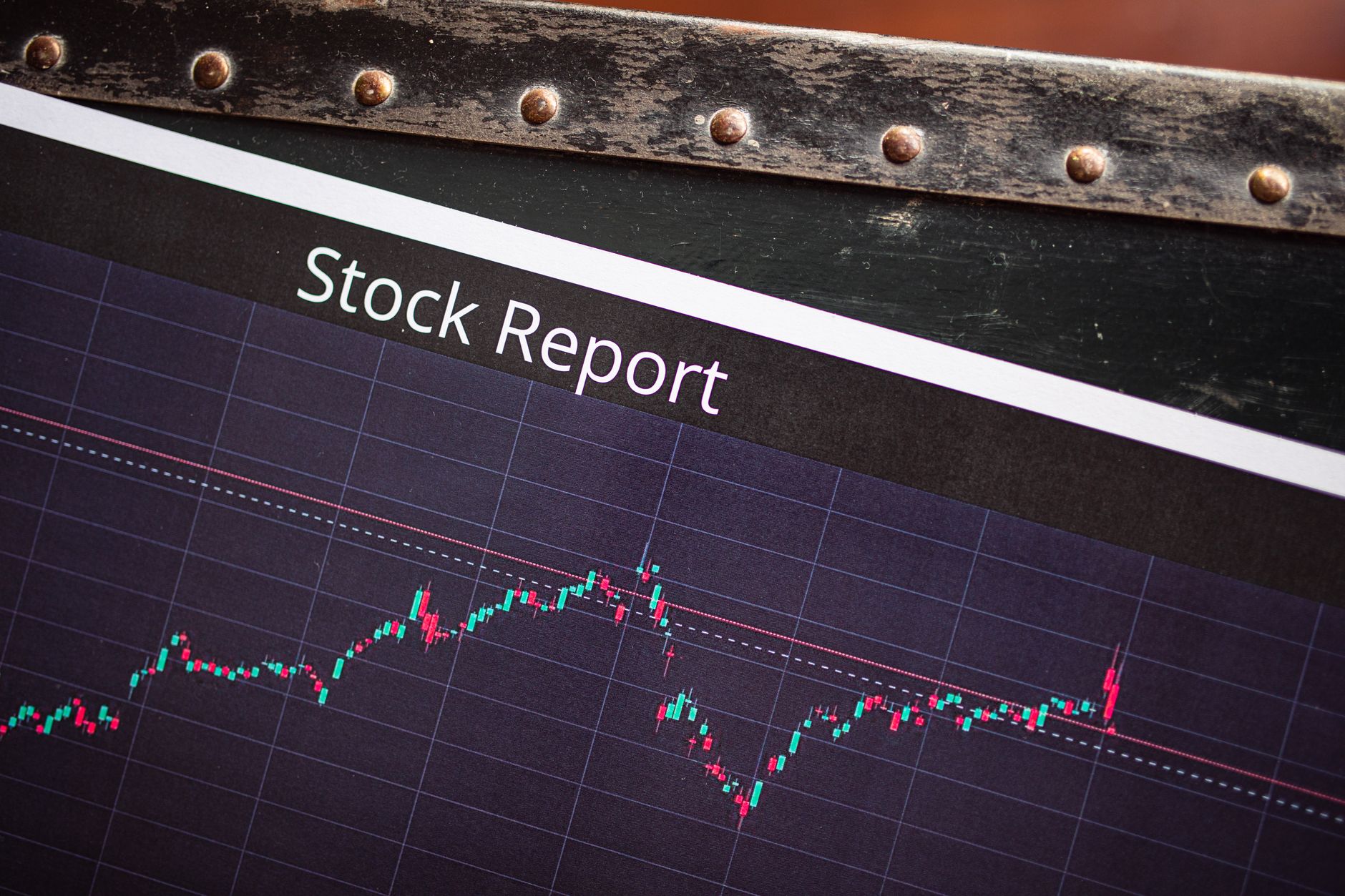
AI stock selloff has dramatically impacted Wall Street, leading to widespread panic and the loss of trillions in market value following the midterm elections.
Understanding the AI stock selloff
The recent AI stock selloff has sent shockwaves through Wall Street, leading to one of the most significant market panics in years. Analysts attribute this downturn to a combination of factors, including rising interest rates, regulatory concerns, and a general market correction following a prolonged period of growth in the technology sector.
Investors were initially optimistic about the potential of artificial intelligence, driving stock prices to unprecedented heights. However, as earnings reports began to reveal disappointing results, sentiment quickly shifted. Many prominent AI companies saw their market valuations plummet, resulting in a cascading effect across the entire tech industry.
Key points about the current situation include:
- Investor confidence has drastically decreased as fear of overvaluation spreads.
- Regulatory scrutiny surrounding AI technologies has intensified, causing uncertainty.
- The market reaction is further exacerbated by geopolitical tensions and economic instability.
As traders adapt to this new reality, the long-term implications of the AI stock selloff remain uncertain.
Factors contributing to market panic
The recent AI stock selloff has been driven by multiple factors that have contributed to a wave of market panic, leaving investors and analysts alike scrambling for answers.
One significant factor is the volatile nature of the tech industry, which has seen rapid growth followed by sharp declines. Many investors had overestimated the resilience of AI stocks, leading to a sudden shift in sentiment.
Additionally, regulatory concerns surrounding artificial intelligence have intensified following the midterm elections. As lawmakers consider stricter regulations, uncertainty has permeated the market, causing investors to reassess their positions.
Another contributing element is the global economic climate, as rising interest rates and inflation have made investors more cautious. This environment has fueled fears about the sustainability of high valuations in the AI sector.
Lastly, profit-taking from previous gains has prompted a selloff, with many choosing to liquidate their positions to avoid potential losses. Together, these factors have created a perfect storm, resulting in the worst market panic in years.
Impacts of the midterm elections on stocks
The recent AI stock selloff has sent shockwaves through Wall Street, particularly in the wake of the midterm elections. Investors are grappling with the implications of a shifting political landscape, which has historically impacted market stability.
Several key factors have contributed to this current turmoil:
- Political Uncertainty: The outcomes of the midterm elections have raised questions about future legislation affecting technology and investment.
- Market Sentiment: Following the elections, a shift in investor sentiment led to a rapid selloff of AI stocks, causing a drastic decline in market confidence.
- Regulatory Concerns: The potential for increased regulation on AI technologies has left many investors anxious, prompting them to liquidate their holdings.
- Economic Indicators: Mixed economic signals post-elections have exacerbated fears, leading to a broader market panic.
The AI stock selloff, fueled by these political and economic dynamics, has triggered the worst market panic in years, leaving analysts and investors alike scrambling for clarity.
Expert opinions on the current market
As the AI stock selloff continues to reverberate through Wall Street, experts are weighing in on the potential long-term implications for the market. Financial analysts are expressing concern over the rapid decline in AI-related stocks, which has led to a broader market panic not seen in years.
According to Dr. Emily Carter, a leading economist, “The selloff has not only wiped out significant gains from the past year but has also sparked fear among investors about the stability of the tech sector.” She emphasizes that the sudden shift in market sentiment could have ripple effects across various industries.
Investment strategist Mark Thompson notes, “This AI stock selloff serves as a stark reminder of the volatility inherent in emerging technologies. Investors must stay vigilant and consider diversifying their portfolios to mitigate risks.”
Meanwhile, Jane Liu, a market analyst, warns that “further declines could trigger panic selling, leading to a downward spiral in stock prices.” As the situation unfolds, many are left wondering if this trend will continue or stabilize in the coming months.
Historical context of stock selloffs
The historical context of stock selloffs provides insight into the current situation with the AI stock selloff. Over the past few decades, the market has experienced several significant downturns that were triggered by various economic factors.
One notable event was the dot-com bubble burst in the early 2000s, where excessive speculation in technology stocks led to a rapid decline in market value. Similarly, the 2008 financial crisis revealed vulnerabilities within the banking sector, resulting in massive selloffs across multiple industries.
Each selloff has typically been characterized by a cycle of panic, where investors rush to liquidate their holdings, further exacerbating the decline. In recent years, the rise of technology stocks has created a sense of invincibility among investors, making the current AI stock selloff particularly jarring.
Moreover, the emotional responses of investors during these crises often lead to irrational decisions, such as panic selling, which can prolong recovery times. As history shows, understanding past selloffs is crucial for navigating the current turbulent market and mitigating future risks.
Future predictions for AI stocks
As analysts assess the aftermath of the recent AI stock selloff, many are grappling with predictions for the future of artificial intelligence investments. The current market climate has left investors wary, leading experts to explore potential outcomes.
Some predict a gradual recovery, suggesting that companies with strong fundamentals will rebound as confidence returns. Market analysts believe that the selloff may have created a buying opportunity for savvy investors ready to capitalize on lower stock prices.
However, others caution that the volatility could persist, particularly if there are further disruptions in the tech sector or shifts in regulatory policies. The impact of ongoing global economic uncertainties could also weigh heavily on AI stocks, making short-term predictions challenging.
Experts recommend that investors focus on:
- Diversification: Reducing risk by spreading investments across various sectors.
- Long-term strategies: Maintaining a focus on the potential of AI technology over time.
- Staying informed: Keeping abreast of market trends and developments in AI advancements.
Ultimately, the future of AI stocks remains uncertain, but caution and strategic planning may help navigate the turbulent waters ahead.
Strategies for investors during volatility
As the AI stock selloff continues to create waves across financial markets, investors are seeking strategies to navigate this period of heightened volatility. It is crucial to adopt a proactive approach that considers both short-term and long-term perspectives.
Here are some strategies for investors during this tumultuous time:
- Diversification: Spread investments across various sectors to mitigate risk associated with the tech-heavy losses.
- Stay Informed: Keep abreast of market trends and expert analyses to make informed decisions rather than reacting impulsively.
- Value Investing: Look for undervalued stocks that have strong fundamentals and long-term potential, as these may rebound faster when the market stabilizes.
- Set Stop-Loss Orders: Implement stop-loss orders to limit potential losses, ensuring that investments are protected during further downturns.
- Maintain Liquidity: Keeping some cash on hand allows for flexibility to seize opportunities as they arise amidst the AI stock selloff.
By employing these strategies, investors can better position themselves to weather the current market storm.
Photo by Déji Fadahunsi on Pexels
Where this came from
You might also like
Mettler-Toledo stock: Is it the Best Investment Right Now? · Tata Group stock: Is it the best investment for Dhanteras? · Japan real wages: Are they the best boost for BOJ?