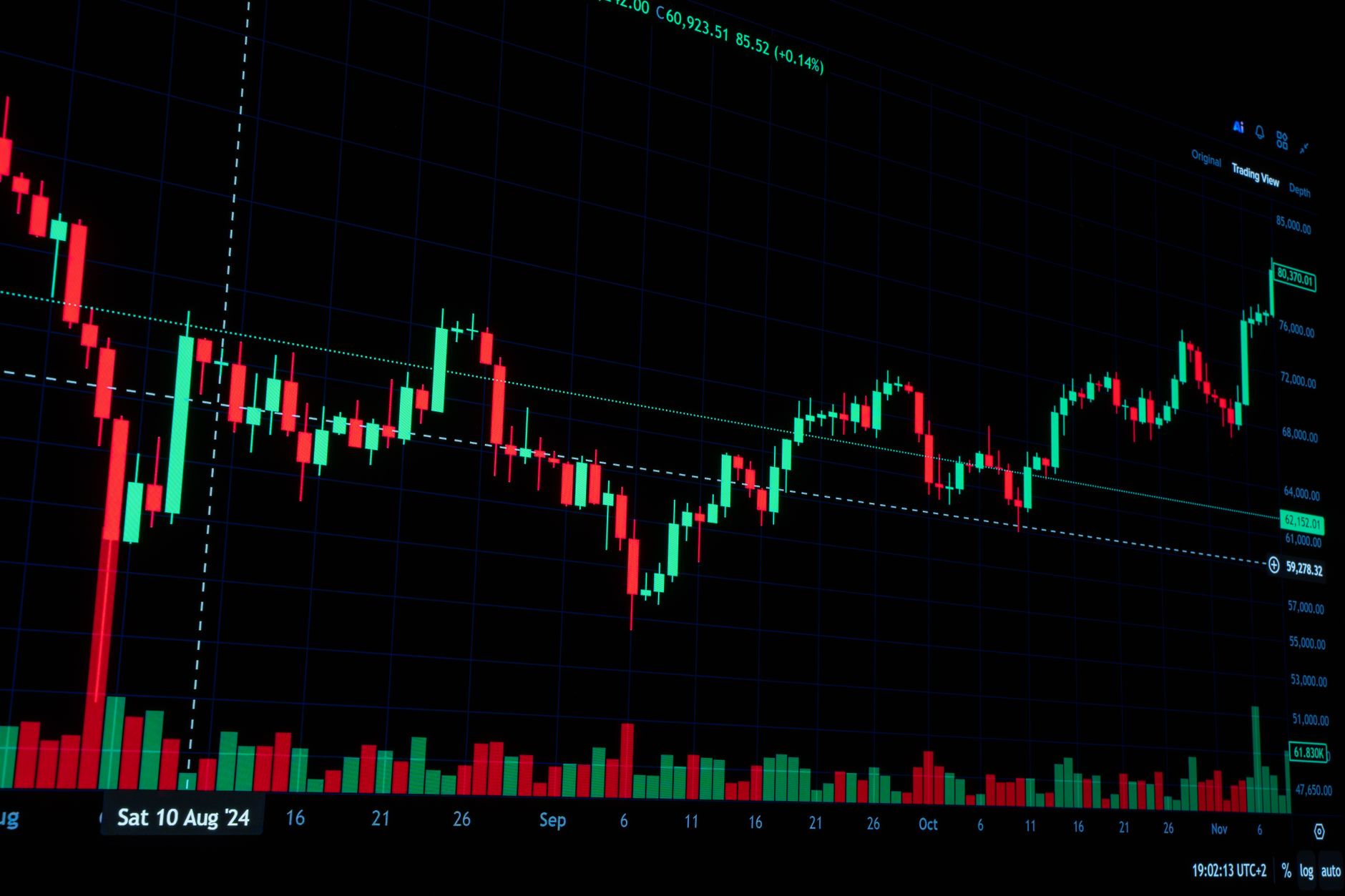
Repo rate rise is causing significant concerns in the banking sector as inflation pressures mount. Experts predict that the rate may increase again in December, raising questions about future financial stability.
Understanding the Repo Rate
The repo rate, or repurchase rate, is a critical monetary policy tool used by central banks to control liquidity in the economy. It is the rate at which the central bank lends money to commercial banks, often in exchange for government securities. When the repo rate rises, it becomes more expensive for banks to borrow money, which can lead to an increase in interest rates for loans and mortgages offered to consumers and businesses.
This mechanism plays a significant role in managing inflation; as borrowing costs rise, spending and investment may slow down, thereby putting downward pressure on prices. However, the current economic landscape suggests that a repo rate rise is on the horizon, particularly with inflationary pressures mounting.
As central banks aim to stabilize the economy, the implications of a repo rate increase can be pronounced, especially for the banking sector. Financial institutions may face tighter profit margins, as their cost of funds increases while they grapple with the demand for loans. Furthermore, the potential for decreased consumer borrowing could result in lower overall profitability for banks, signaling a challenging period ahead.
- Impact on borrowing costs
- Effects on consumer spending
- Profitability challenges for banks
Inflation’s Role in Rate Changes
The relationship between inflation and the repo rate is critical, as central banks often adjust the rate in response to inflationary pressures. When inflation rises, the central bank may choose to increase the repo rate to curb excessive spending and stabilize prices. This mechanism aims to control inflation, but it can also lead to unintended consequences for various sectors, particularly banking.
Recent reports indicate that inflation continues to be a pressing concern, prompting speculation that the repo rate may rise again in December. As financial institutions adapt to these changes, several challenges may arise:
- Increased Borrowing Costs: A rise in the repo rate typically leads to higher interest rates on loans, which can deter borrowing.
- Impact on Profit Margins: Banks may face squeezed profit margins as the cost of funds increases.
- Loan Defaults: Higher rates may lead to increased defaults among borrowers who struggle to meet elevated repayment obligations.
In this context, the banking sector must navigate the complexities of a changing economic landscape while addressing the implications of a repo rate rise on their operations and profitability.
Potential Effects on Borrowing Costs
The recent discussions surrounding a potential repo rate rise have raised concerns about the implications for borrowing costs across various sectors. As the central bank adjusts the repo rate to combat inflation, the immediate effect is often an increase in interest rates charged by banks to their customers.
Higher borrowing costs can significantly affect individuals and businesses. For homeowners, this may mean increased monthly mortgage payments, which could strain budgets and reduce disposable income. For small businesses, the impact is equally concerning. They may face higher costs for loans, making it more challenging to finance operations or expansion plans.
Moreover, the ripple effects of a repo rate rise extend beyond just loans. Credit card interest rates may also increase, leading to higher consumer debt burdens. In addition, businesses that rely on credit lines may find themselves reassessing their financial strategies to adapt to the changing economic landscape.
In summary, as the potential repo rate rise looms, both consumers and businesses must prepare for the possibility of increased borrowing costs. This shift could lead to a slowdown in economic activity, affecting overall growth and stability in the banking sector.
Market Reactions to Rate Predictions
Market reactions to predictions about a repo rate rise have been swift and varied, reflecting investor sentiment and expectations. Analysts suggest that the looming possibility of another increase in the repo rate could have significant implications for the banking sector and broader economy.
As news circulates regarding potential hikes, particularly ahead of the December meeting, several key trends have emerged:
- Bank Stocks Volatility: Shares of major banks have shown increased volatility, with some experiencing sharp declines as investors anticipate tighter monetary conditions.
- Loan Demand Concerns: Financial institutions are bracing for a potential slowdown in loan demand, as higher borrowing costs may deter consumers and businesses from taking out loans.
- Depositor Behavior: Customers may shift their funds into higher-yield savings accounts in response to increasing interest rates, impacting banks’ liquidity.
- Market Sentiment: Overall market sentiment has turned cautious, with investors weighing the effects of inflation and upcoming rate decisions on economic growth.
As the December meeting approaches, stakeholders in the banking sector will be closely monitoring any signals regarding the repo rate rise to adapt their strategies accordingly.
Photo by Monstera Production on Pexels
References
Related reading
Haldiram IPO news: Is it the Best Investment Opportunity? · Stocks to Buy Today: What Are the Best Picks for You? · Unmanned Ground Vehicle Market: Best Proven Strategies for Success