
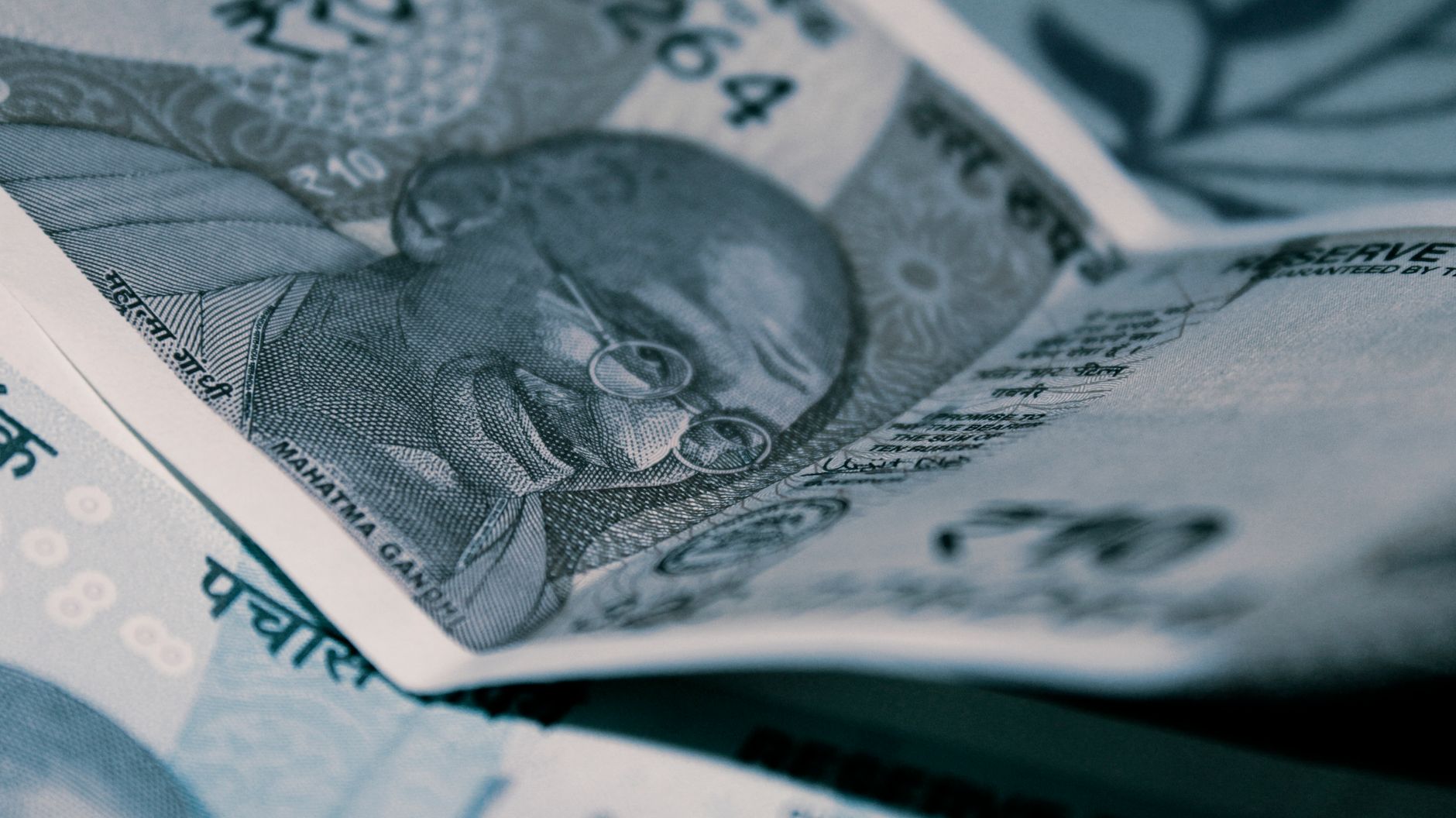
Indian rupee foreign inflows continue to support the currency’s strength as sustained corporate dollar sales bolster market confidence. Recent trends indicate a positive outlook for the rupee.
Understanding Foreign Inflows
The Indian rupee has recently experienced a significant uplift, largely attributed to sustained foreign inflows. These inflows play a crucial role in stabilizing and strengthening the currency against major global currencies. Understanding the dynamics behind these foreign inflows is essential for grasping their impact on the Indian economy.
Foreign investments in India often come in the form of portfolio investments, foreign direct investments, and corporate sales. These investments contribute positively to the Indian financial markets, leading to increased demand for the rupee.
- Portfolio Investments: Investors seek opportunities in Indian equities and bonds, driving foreign inflows.
- Foreign Direct Investments: Companies establish operations in India, bringing capital into the country.
- Corporate Dollar Sales: Indian corporations selling dollars to meet their obligations contribute to the strength of the rupee.
As corporate dollar sales continue and foreign inflows remain robust, the Indian rupee is expected to maintain its momentum, reinforcing investor confidence in the nation’s economic prospects.
Impact on the Indian Rupee
The recent trends in foreign inflows have had a significant impact on the Indian rupee, highlighting the importance of corporate dollar sales in strengthening the currency. As companies engage in selling dollars, the influx of foreign funds supports the rupee, making it more resilient against global market fluctuations.
Analysts suggest that sustained foreign inflows can lead to a more stable economic environment. The following points illustrate the positive effects:
- Currency Strength: An increase in foreign investments bolsters the value of the Indian rupee.
- Market Confidence: Healthy foreign inflows indicate a robust economic outlook, attracting more investors.
- Investment Opportunities: A strong rupee encourages foreign entities to explore business ventures in India.
- Lower Inflation: A stable currency can help manage inflation rates effectively.
Overall, the relationship between Indian rupee foreign inflows and corporate activities is crucial for maintaining economic stability and growth.
Corporate Dollar Sales Explained
Corporate dollar sales play a crucial role in enhancing the Indian rupee foreign inflows. When domestic companies sell their goods or services overseas, they often receive payments in foreign currencies, particularly in US dollars. This influx of dollars is then converted into Indian rupees, thereby bolstering the local currency’s value.
Several factors contribute to the increase in corporate dollar sales:
- Export Growth: Many Indian firms have expanded their export activities, tapping into global markets and increasing their revenue in foreign currencies.
- Foreign Investment: Increased foreign direct investment has led companies to generate more income in dollars, further supporting the rupee.
- Diversification: Indian corporations are diversifying their portfolios and entering new markets, which enhances their dollar earnings.
As a result, these corporate dollar sales contribute significantly to the overall foreign inflows, creating a positive feedback loop that strengthens the Indian rupee and fosters economic stability.
Market Reactions and Future Outlook
Market reactions to the recent surge in Indian rupee foreign inflows have been noticeably positive, as investors display increased confidence in the Indian economy. The continuous flow of capital from foreign entities has led to an appreciation of the rupee, propelling it to higher levels against major currencies.
Additionally, the robust participation of corporate entities in dollar sales has played a significant role in stabilizing the currency. This trend reflects a strategic move by companies to capitalize on favorable exchange rates and mitigate risks associated with currency fluctuations.
Looking forward, analysts project that sustained foreign inflows could further strengthen the Indian rupee, provided that global economic conditions remain favorable. However, potential challenges such as geopolitical tensions and inflationary pressures could pose risks to this positive trajectory.
In conclusion, while the current outlook appears optimistic, ongoing monitoring of market dynamics and external factors will be essential to fully understand the future of the Indian rupee and its relationship with foreign inflows.
Recent data highlights that Indian rupee foreign inflows have significantly increased due to robust corporate sales across various sectors. As companies continue to perform well, the trend of Indian rupee foreign inflows is expected to strengthen further in the coming months.
Photo by Habib on Pexels

