
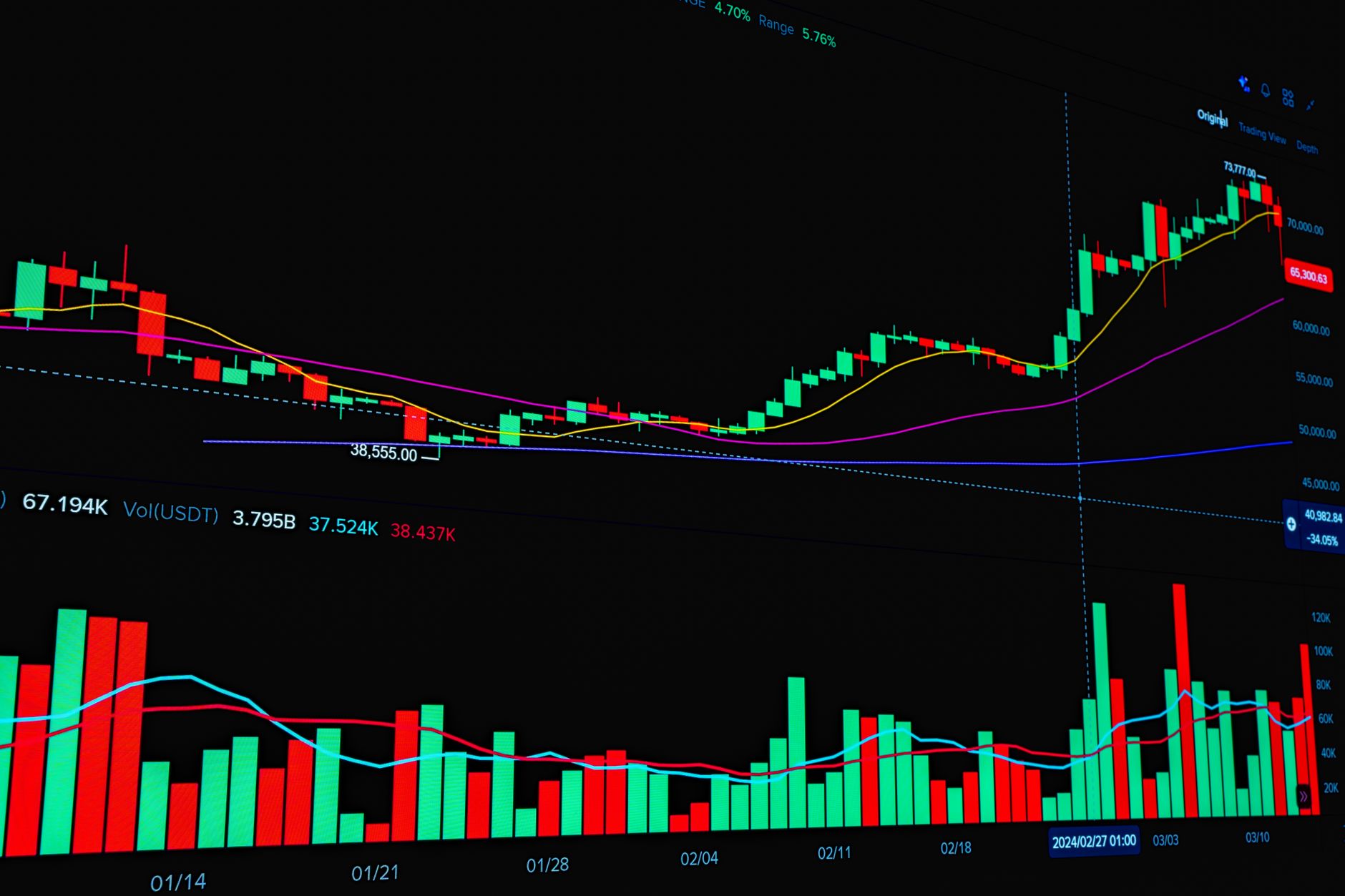
market fall today has left investors concerned as Sensex slumps 500 points. Understanding the factors behind this decline is crucial for informed decision-making.
Understanding the Current Market Trends
The recent market fall today has raised concerns among investors and analysts alike. Several factors have contributed to this decline, leading to a significant drop in indices like the Sensex and Nifty.
One of the primary reasons for the downturn is rising inflation, which has forced central banks to consider tightening monetary policies. This uncertainty creates volatility in the markets, discouraging investment.
Another critical factor is the global economic slowdown, which has been exacerbated by ongoing geopolitical tensions. Investors are wary of external shocks that could further destabilize markets.
Additionally, corporate earnings have not met expectations, leading to a lack of confidence among traders. As companies report lower-than-anticipated profits, stock valuations are being reassessed.
Lastly, policy changes within the government have also contributed to the market’s adverse reaction. Proposed regulations are often viewed with skepticism, leading to speculation and market jitters.
In summary, the combination of rising inflation, global economic concerns, disappointing corporate earnings, and uncertain policy changes has resulted in a significant market fall today, reflecting a broader trend of caution among investors.
Key Factors Behind the Market Slump
Today’s market fall can be attributed to several key factors that have created a perfect storm for investors. Understanding these influences is crucial for anyone looking to navigate the current economic landscape.
- Global Economic Concerns: Fears surrounding a slowdown in major economies have left investors wary. Reports of declining growth in regions like Europe and Asia have led to heightened uncertainty.
- Rising Inflation: Persistent inflation rates have continued to erode consumer purchasing power, resulting in negative sentiment across markets.
- Interest Rate Hikes: Central banks have signaled potential interest rate increases to combat inflation. This has raised concerns over borrowing costs, impacting both businesses and consumers.
- Political Instability: Recent geopolitical tensions have injected further volatility into the market, making investors cautious and leading to widespread sell-offs.
These factors combined have contributed significantly to the market fall today. As investors digest this information, it remains to be seen how they will respond in the coming days. Understanding these dynamics will be essential for making informed decisions going forward.
Impact of Economic Indicators
The recent market fall today can be attributed to various economic indicators that have raised concerns among investors. These indicators often serve as barometers for economic health and can significantly influence market performance.
Key economic indicators impacting the market include:
- Inflation Rates: Rising inflation has led to fears of increased interest rates, which can dampen consumer spending and corporate profits.
- Unemployment Numbers: A surge in unemployment claims can signal economic instability, affecting investor confidence and leading to market sell-offs.
- Manufacturing Data: Weak manufacturing output can indicate a slowdown in economic growth, prompting investors to reassess their portfolios.
- Consumer Confidence Index: A drop in consumer confidence can suggest that consumers are less likely to spend, further impacting economic recovery.
These indicators not only reflect current economic conditions but also shape market expectations. As investors react to the latest data, the cascading effects can lead to significant market movements, as seen in today’s decline.
Investor Sentiment and Market Reactions
Investor sentiment has played a crucial role in the market fall today, as uncertainty looms over various sectors of the economy. A combination of factors has led to heightened anxiety among investors, contributing to a significant drop in stock prices.
Market reactions have been swift and severe, with many investors opting to sell off their holdings in response to bearish trends. The following elements have influenced investor sentiment:
- Global Economic Concerns: Ongoing geopolitical tensions and fluctuating international markets have instilled fear, prompting cautious behavior among traders.
- Corporate Earnings Reports: Disappointing earnings from major corporations have raised alarms about future profitability, leading to a sell-off.
- Interest Rate Hikes: Speculation surrounding potential interest rate increases has caused uncertainty regarding borrowing costs and consumer spending.
- Market Volatility: The recent fluctuations have created an environment of fear, driving many to reassess their investment strategies.
As these factors continue to unfold, investor confidence remains fragile, and the market fall today serves as a reminder of the interconnectedness of global financial systems.
Photo by Rafael Minguet Delgado on Pexels
References
Wealthtech startup funding: Best Proven Strategies for Success · Bitcoin price analysis: Best proven strategies for success · Business Loan with Westpac: Proven Benefits for Environmental Groups