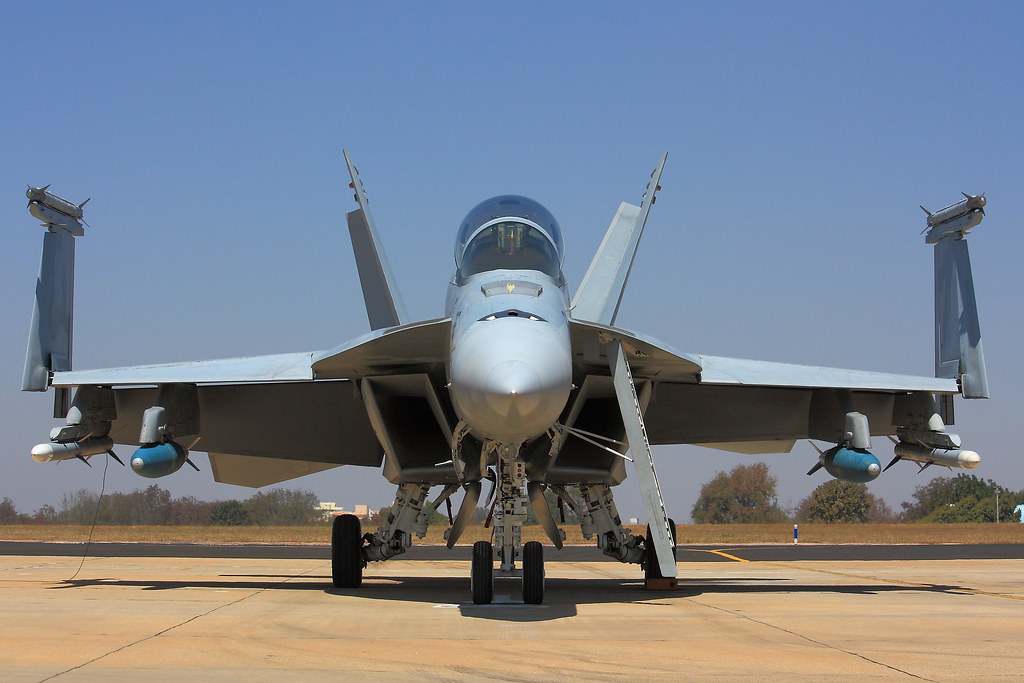
jet engines in India are gaining momentum as Green Aero raises $14M to develop advanced technologies. This funding aims to enhance the country’s aerospace capabilities, particularly in jet engines and combat drones.
Overview of Green Aero’s Funding
Green Aero, a pioneering startup in the aerospace sector, has successfully raised $14 million in funding to advance its mission of developing innovative jet engines in India. This significant financial boost is aimed at enhancing the company’s capabilities in both jet engine manufacturing and drone technology. With these funds, Green Aero intends to accelerate its research and development efforts, ensuring that its products meet the evolving demands of the aerospace industry.
The funding round saw participation from various venture capital firms and angel investors, all of whom recognize the potential for growth in the Indian aerospace market. Green Aero’s CEO emphasized the importance of this investment, stating that it will enable the company to position itself as a leader in the field of sustainable aviation technologies.
In addition to traditional jet engines, Green Aero is also focusing on the creation of combat drones, which are becoming increasingly vital in modern defense strategies. The startup’s commitment to innovation and sustainability aligns with global trends towards greener technologies in aviation, making its efforts particularly timely.
As the Indian aerospace sector continues to expand, Green Aero’s advancements in jet engines could play a crucial role in shaping the future of aviation in the region.
Impact of Jet Engines in India
The impact of jet engines in India has been profound, shaping both the aerospace industry and national defense strategies. With the rising demand for advanced aviation technology, startups like Green Aero are stepping in to fill critical gaps in the market.
As India seeks to enhance its capabilities in both commercial aviation and military applications, the emergence of innovative jet engine technologies is vital. The recent funding of $14 million for Green Aero underscores the growing interest and investment in this sector. This financial boost will enable the company to develop cutting-edge jet engines and combat drones, showcasing India’s potential in high-tech manufacturing.
The implications of such advancements are significant:
- Economic Growth: The jet engine sector can drive job creation and stimulate local economies.
- National Security: Enhanced jet engine capabilities can improve the defense posture of the country.
- Technological Advancement: Innovations in jet engines contribute to India’s position as a leader in aerospace technology.
In conclusion, the evolution of jet engines in India is not just about technological progress; it is a crucial element in the country’s broader ambitions for self-reliance and innovation.
The Future of Combat Drones
The future of combat drones in India is poised for a significant transformation, thanks in part to advancements in jet engines. As defense technology evolves, the demand for more efficient, versatile, and powerful drones has surged, leading to innovations in the aerospace sector.
With Green Aero’s recent funding boost, the company aims to revolutionize the design and production of jet engines tailored specifically for unmanned aerial vehicles (UAVs). These innovations are expected to enhance operational capabilities, allowing for longer flight durations and greater payload capacities.
Key factors driving this evolution in combat drones include:
- Enhanced Performance: New jet engines will provide improved thrust-to-weight ratios, making drones faster and more agile.
- Increased Autonomy: Advances in propulsion technology will enable drones to operate beyond visual line of sight, expanding their operational range.
- Cost Efficiency: The development of indigenous jet engines will reduce reliance on foreign technology, lowering overall costs.
- Strategic Advantage: A strong domestic drone manufacturing capability will bolster national security and defense readiness.
As these innovations come to fruition, India is positioning itself as a key player in the global defense technology arena, particularly in the field of combat drones.
Challenges in Aerospace Development
The development of jet engines in India faces several significant challenges that need to be addressed to ensure the success of emerging aerospace innovations. These challenges encompass a variety of technical, regulatory, and market-related issues that can hinder progress.
- Technical Expertise: There is a notable shortage of skilled engineers and researchers specializing in aerospace technology. This gap can slow down the development process and limit the potential for innovation.
- Regulatory Hurdles: Navigating the complex landscape of regulations and compliance standards in the aerospace sector can be daunting. Startups often struggle to meet these requirements, which can delay their entry into the market.
- Funding Constraints: While companies like Green Aero have successfully raised capital, many startups still face difficulties securing sufficient funding to scale their operations and invest in research and development.
- Market Competition: The aerospace industry is highly competitive, with established players dominating the market. New entrants must find ways to differentiate themselves and prove their technologies’ viability.
Addressing these challenges is essential for fostering a robust ecosystem for jet engine innovation and ensuring India remains competitive in the global aerospace landscape.
As the demand for efficient and high-performance jet engines in India continues to rise, startups are stepping up with innovative solutions that could reshape the aviation landscape. These proven startup innovations are not only enhancing the production of jet engines in India but also fostering a new era of technological advancement in the aerospace sector.
By ‘The Wanderer’s Eye Photography’ via Openverse