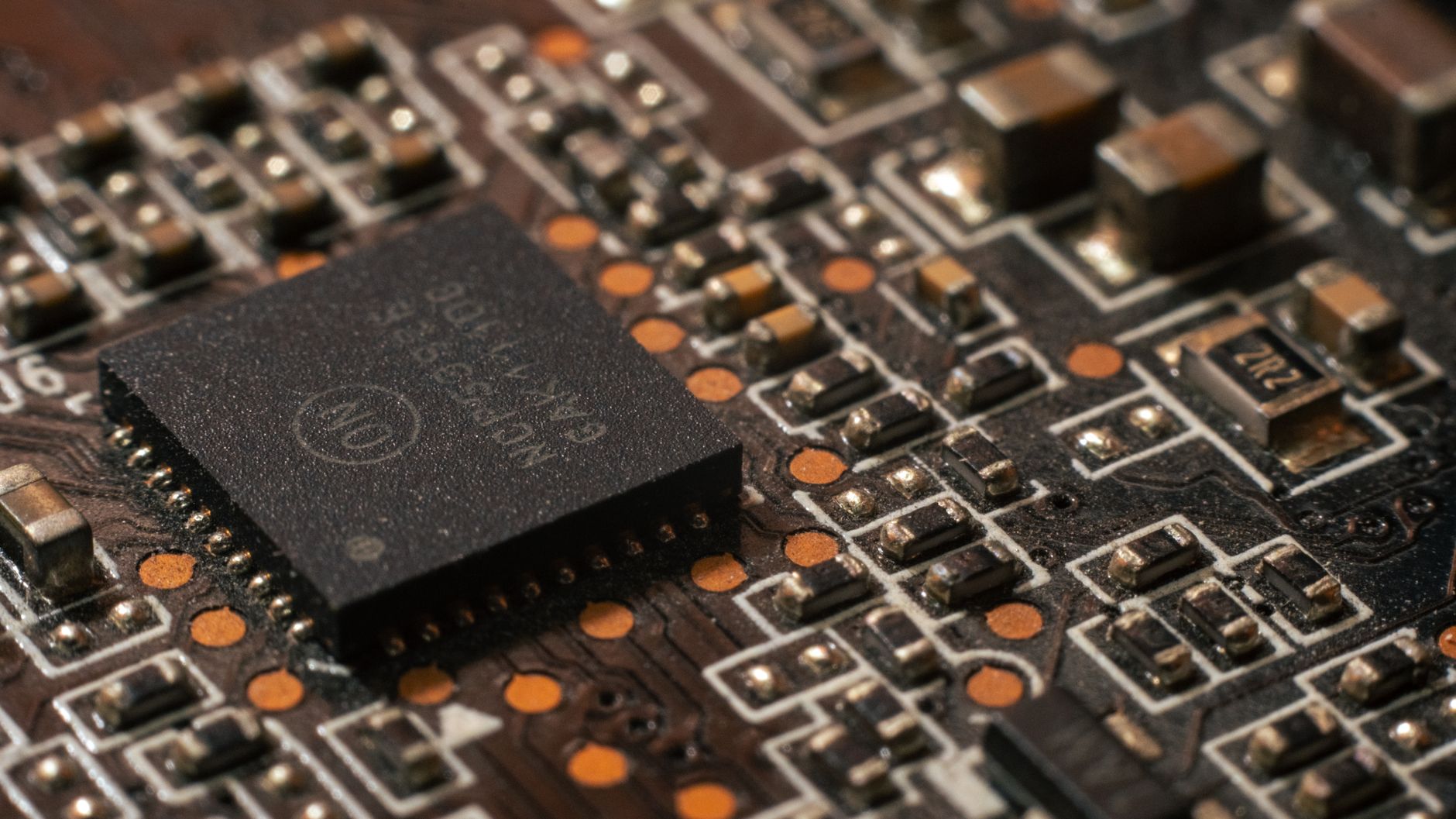
Huawei AI chip demand is outstripping supply, highlighting significant challenges in the tech industry. As the competition with Nvidia intensifies, Huawei is positioning itself to meet this growing need.
Overview of Huawei’s AI chip strategy
Huawei, the Chinese technology giant, has been making significant strides in the field of artificial intelligence, particularly with its AI chip offerings. The company recently reported that the demand for its AI chips has outstripped supply, indicating a robust interest in its innovations and a clear opportunity for growth in the competitive market. This increasing demand is largely attributed to the escalating need for advanced computing capabilities across various sectors.
In an effort to meet this surge in demand, Huawei has outlined a comprehensive strategy that focuses on several key areas:
- Investment in Research and Development: Huawei is ramping up its R&D efforts to enhance the performance and efficiency of its AI chips.
- Partnerships and Collaborations: The company is seeking alliances with other tech firms and academic institutions to bolster its capabilities and share knowledge.
- Global Expansion: Huawei is looking to expand its presence in international markets, positioning its AI chips as viable alternatives to competitors like Nvidia.
With these initiatives, Huawei aims to not only increase its production capacity but also tackle the challenges posed by supply chain disruptions, ultimately addressing the strong Huawei AI chip demand it is currently facing.
Current market demand for AI chips
Current market demand for AI chips is experiencing unprecedented growth, particularly as companies seek to enhance their capabilities in artificial intelligence. As highlighted by Huawei, the demand for AI chips is currently outstripping supply, creating significant challenges in the market. This surge is largely driven by the increasing reliance on AI technologies across various sectors, including finance, healthcare, and automotive.
According to industry analysts, several factors contribute to this heightened demand:
- Rapid technological advancements: The acceleration of AI applications necessitates more powerful and efficient chips.
- Increased investment in AI research: Companies are pouring resources into AI development, further driving the need for sophisticated hardware.
- Competitive landscape: Major players like Huawei are stepping up their efforts to challenge established firms, such as Nvidia, intensifying the race for AI chip innovation.
As Huawei continues to navigate these market dynamics, the company is focusing on ramping up production to meet the surging demand for AI chips. However, supply chain issues and geopolitical tensions may complicate these efforts, emphasizing the need for strategic planning in the face of ongoing challenges.
Nvidia’s position in the AI chip market
Nvidia has long held a dominant position in the AI chip market, capitalizing on the soaring demand for advanced computing solutions. As companies worldwide invest heavily in artificial intelligence, Nvidia’s GPUs have become the preferred choice for data centers and AI researchers. However, the recent surge in Huawei AI chip demand highlights a potential shift in the competitive landscape.
Huawei’s entry into the AI chip arena signifies a strategic move to challenge Nvidia’s supremacy. The company has been ramping up its production capabilities to meet the growing needs of various industries, particularly in China, where local tech firms are increasingly seeking alternatives to foreign suppliers. This push comes at a time when global supply chains are strained, and Nvidia is struggling to keep pace with its burgeoning orders.
Experts suggest that if Huawei can successfully scale its AI chip production, it may not only reduce reliance on Nvidia but also spark intensified competition in the sector. The implications of Huawei’s advancements could reshape the dynamics of AI hardware, prompting Nvidia to innovate further to maintain its market share.
As both companies navigate these supply challenges, the outcome will play a critical role in defining the future of AI technology and its accessibility across various sectors.
Challenges faced by Huawei in production
The challenges faced by Huawei in production have become increasingly apparent as the demand for AI chips surges. With the recent growth in artificial intelligence applications, Huawei’s AI chip demand is significantly outstripping its supply capabilities. This situation has led to several operational hurdles for the company.
One of the primary challenges is the global semiconductor shortage, which has been exacerbated by geopolitical tensions and supply chain disruptions. As Huawei seeks to ramp up production, it faces difficulties in sourcing the necessary materials and components needed for chip fabrication.
Additionally, the company must navigate strict export controls imposed by various governments. These regulations limit Huawei’s access to advanced manufacturing technologies, further complicating its efforts to meet burgeoning demand. As a result, the company is forced to innovate and explore alternative manufacturing partnerships.
Furthermore, Huawei’s positioning in the market is complicated by its competition with established players like Nvidia. The need to enhance its product offerings while simultaneously managing supply constraints challenges Huawei’s ability to effectively compete in the AI chip landscape.
In conclusion, addressing these issues will be crucial for Huawei as it seeks to fulfill the strong market demand for AI chips and solidify its presence in the industry.
Future outlook for AI chip supply
The future outlook for Huawei AI chip demand appears increasingly complex as the company navigates significant supply challenges. Analysts predict that the growing reliance on artificial intelligence across various industries will only exacerbate the existing demand for AI chips. This trend is expected to put additional pressure on Huawei’s production capabilities as it seeks to establish itself as a formidable competitor to industry leader Nvidia.
Furthermore, the global semiconductor supply chain remains fragile, with ongoing geopolitical tensions impacting access to critical materials and manufacturing technologies. As Huawei continues to ramp up its AI chip production, it may face hurdles in securing essential components necessary for high-volume output.
In response to these challenges, Huawei is likely to invest heavily in research and development to enhance its manufacturing processes and improve yield rates. The company may also explore partnerships with other tech firms to bolster its supply chain resilience.
As the battle for supremacy in the AI chip market intensifies, Huawei must adapt quickly to shifting market dynamics. The demand for AI chips will persist, and how effectively Huawei addresses these supply challenges will determine its future position in this rapidly evolving sector.
As Huawei AI chip demand continues to rise, manufacturers are struggling to keep up with production schedules. Analysts predict that these supply challenges will impact the overall market for AI technologies.
Photo by Ivan Chumak on Pexels
Read the original
Related stories
Crypto Prices Today: Bitcoin Drops Amid CLARITY Act Failure · Turkish Airlines flight: Worst landing attempts during storm · Finance stocks earnings: Best picks to watch now