
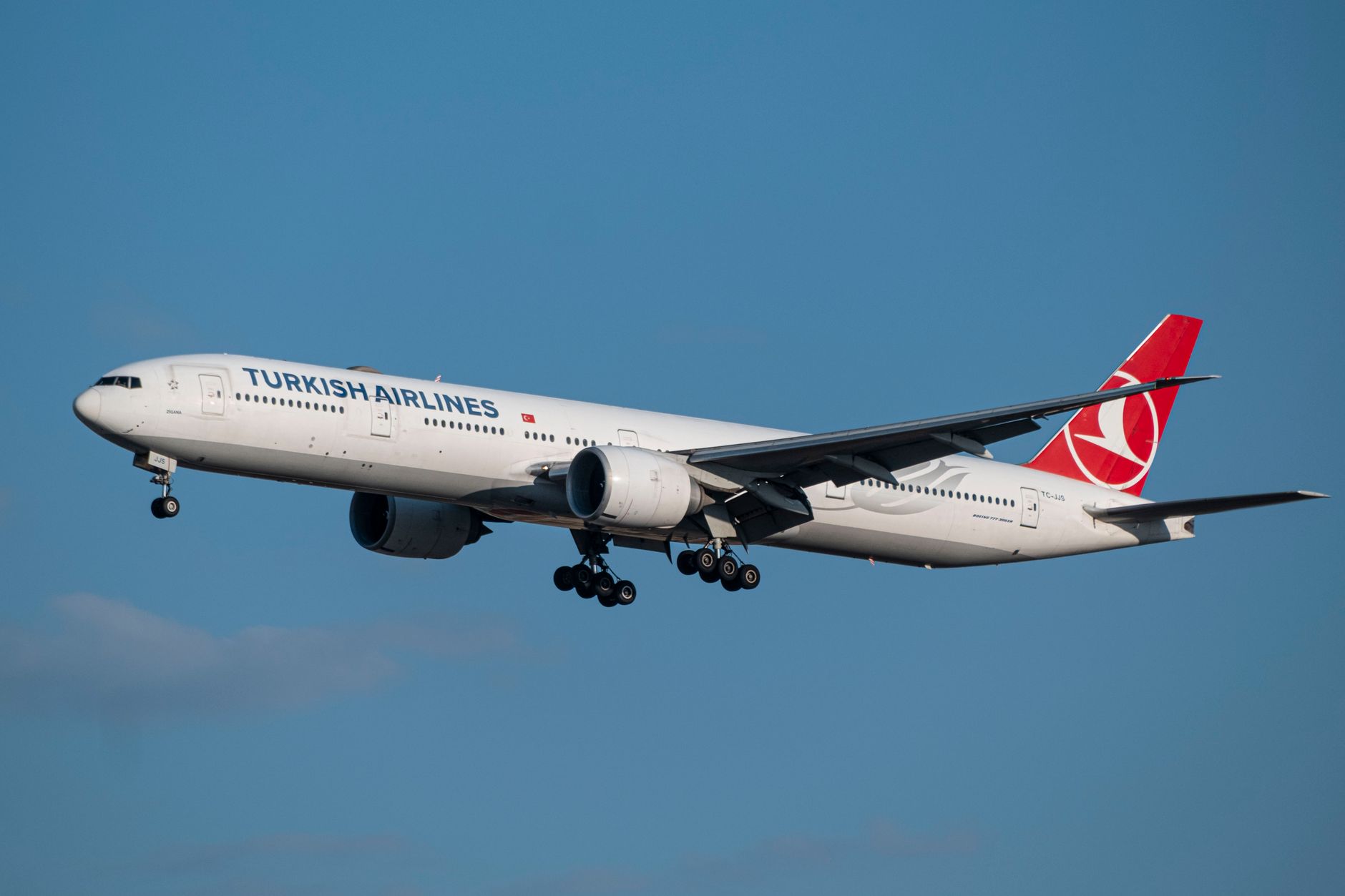
Turkish Airlines flight experienced a terrifying situation with three failed landing attempts during a storm. Passengers captured the chaos on video, expressing their fear and concern.
What Happened During the Flight?
During a recent Turkish Airlines flight, passengers experienced a harrowing ordeal as the aircraft faced severe weather conditions. Reports indicate that the flight made three unsuccessful landing attempts in the midst of a violent storm. Eyewitness accounts describe the chilling atmosphere inside the cabin, with many passengers expressing their fears.
One passenger captured the tension on video, shouting, “We are falling, we will die!” as the plane struggled to stabilize. The turbulence was described as intense, with the aircraft shaking violently during the descent. Despite the pilots’ best efforts, the challenging conditions made landing nearly impossible.
Passengers were left in a state of panic, with some clutching their seats and others praying for a safe return to solid ground. After several attempts, the flight was eventually diverted to a nearby airport, where it landed safely. The incident has raised questions about flight safety protocols during extreme weather and the challenges pilots face in such situations.
As investigations continue, many are left wondering how such experiences can be avoided in the future.
Passenger Reactions to the Incident
Passengers aboard the Turkish Airlines flight were left in a state of panic as the plane struggled to land amid severe storm conditions. Many described the experience as harrowing, with some expressing their fear through social media posts that quickly went viral.
One passenger recounted the moment they thought they might not survive, stating, “We are falling, we will die!” The turbulence and the repeated attempts to land caused widespread alarm among those on board, leading to a chorus of screams and prayers.
Several travelers shared their disbelief at the situation, with one remarking, “It felt like we were in a movie. I never expected to face such danger on a flight.” Others noted the cabin crew’s attempts to maintain calm, offering reassuring words as the aircraft circled the airport.
The ordeal lasted for what felt like hours, and many passengers expressed their immense relief when the Turkish Airlines flight finally landed safely, albeit after three failed attempts. The experience has left lasting impressions on the travelers, who are now sharing their stories of survival.
Expert Analysis on Flight Safety
In light of the recent incident involving a Turkish Airlines flight, aviation experts have weighed in on the implications of the failed landing attempts during the severe storm. Flight safety remains a critical issue, especially when pilots face challenging weather conditions.
According to experts, the decision to attempt landing in adverse weather should always prioritize passenger safety. Dr. Emily Torres, an aviation safety analyst, noted that “the pilots showcased commendable skill and judgment in diverting the plane when conditions became perilous.”
Several factors contribute to landing difficulties, particularly during storms:
- Wind Shear: Sudden changes in wind speed and direction can destabilize an aircraft.
- Visibility: Heavy rain reduces the pilots’ ability to gauge their surroundings.
- Aircraft Weight: A fully loaded plane may require longer distances to land safely.
Ultimately, while the experience was terrifying for passengers, the incident highlights the importance of rigorous training for pilots managing Turkish Airlines flights in challenging weather scenarios.
Weather Conditions During the Attempt
The weather conditions during the Turkish Airlines flight’s attempted landings were described as extremely severe. Witnesses reported that strong winds, heavy rain, and low visibility significantly impacted the pilots’ ability to stabilize the aircraft.
Several factors contributed to the challenging landing conditions:
- Wind Shear: Sudden changes in wind speed and direction made it difficult for the pilots to maintain control.
- Heavy Rain: Torrential downpours reduced visibility and created slippery runway conditions.
- Thunderstorms: The surrounding thunderstorms further complicated the landing attempts, causing turbulence that shook the aircraft.
Flight experts noted that such weather can significantly increase the risks associated with landings. In situations like these, pilots are trained to assess the conditions and make critical decisions to ensure the safety of passengers. Despite the adverse weather, the crew of the Turkish Airlines flight demonstrated their professionalism and skill throughout the ordeal.
Previous Incidents with Turkish Airlines
Turkish Airlines has faced several challenging incidents in the past, particularly during adverse weather conditions. Notably, one significant event occurred in 2018, where a Turkish Airlines flight experienced turbulence during landing at an airport in Istanbul. Passengers reported feeling intense shaking, leading to widespread panic.
In another incident in 2020, a flight encountered severe crosswinds while attempting to land in heavy rain, resulting in multiple failed landing attempts. Passengers were left rattled, as the pilots struggled to maintain control of the aircraft amidst the storm.
These previous incidents raise important questions about safety protocols during turbulent weather. Many experts emphasize the need for continuous training for pilots on handling extreme conditions, especially given the challenges faced by Turkish Airlines flights in stormy weather.
As airlines continue to improve their safety measures, passengers remain vigilant and concerned about the potential risks associated with flying during storms. The recent events have heightened awareness and discussions regarding the effectiveness of emergency preparedness in the aviation industry.
Conclusion on Aviation Safety
In conclusion, the recent incident involving the Turkish Airlines flight during severe weather conditions raises significant concerns about aviation safety. The harrowing experience of passengers, who voiced their fears during the landing attempts, highlights the critical need for effective communication and preparedness from airlines during such events.
While pilots are trained to handle challenging scenarios, the situation faced by the Turkish Airlines flight prompts a reevaluation of procedures in extreme weather. Safety protocols must be rigorously followed to ensure that all personnel are equipped to manage high-stress situations effectively.
Furthermore, the role of technology in assisting pilots during adverse weather cannot be overstated. Advancements in aviation technology can provide valuable support, enabling better decision-making and increased safety for both crew and passengers.
As investigations into this incident continue, it is imperative for the aviation industry to learn from such occurrences. This will help prevent similar situations in the future and restore public confidence in airline safety standards.
- Enhanced training for pilots in adverse conditions.
- Improved communication protocols with passengers.
- Use of advanced technology for safer landings.
Photo by Necati Ömer Karpuzoğlu on Pexels