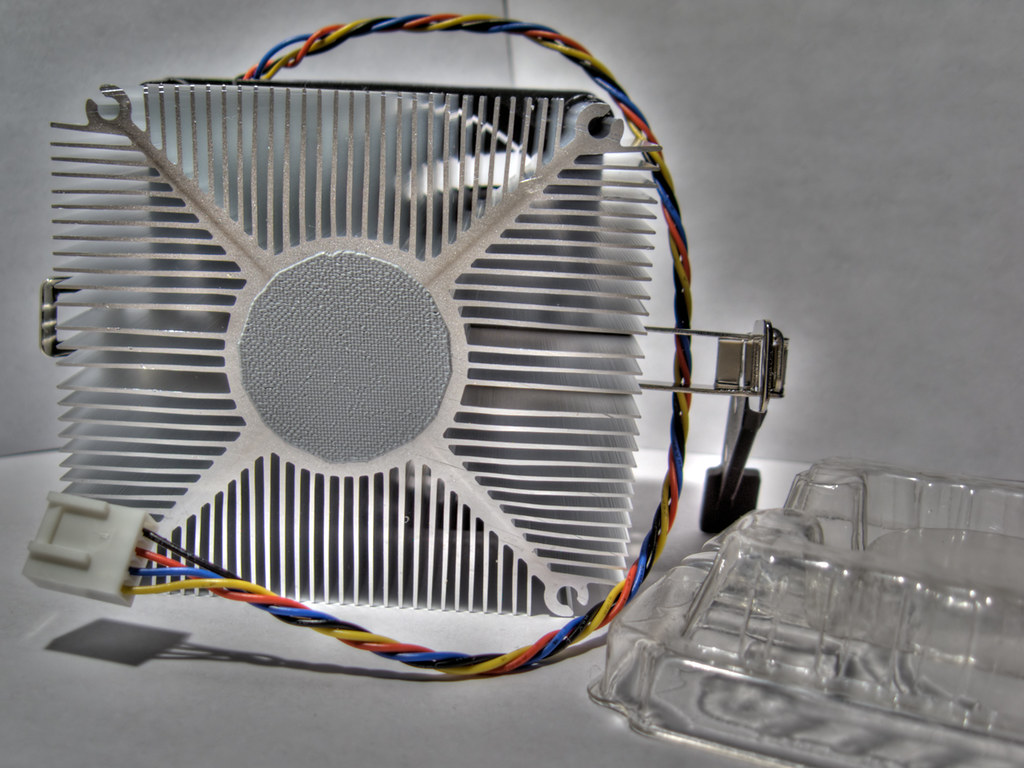
AMD stock down is a significant concern for investors today as shares dropped by 10%. This decline raises questions about the company’s future performance and market dynamics.
Understanding the AMD Stock Decline
In recent trading sessions, AMD stock down has raised concerns among investors. The company’s shares experienced a significant decrease, attributed to various factors affecting its market performance.
One of the primary reasons for this decline is the broader market volatility, which has been influenced by rising interest rates and inflation concerns. As investors seek stability, tech stocks like AMD often feel the impact more acutely. Analysts have noted that:
- Increased competition within the semiconductor sector has led to pricing pressures, affecting profit margins.
- Recent earnings reports did not meet investor expectations, causing a reevaluation of the company’s growth prospects.
- Global supply chain disruptions continue to challenge production capabilities, contributing to uncertainty in future deliveries.
Moreover, the ongoing geopolitical tensions have further complicated the landscape for technology stocks. Investors are becoming increasingly cautious about potential risks, leading to a sell-off. As a result, many traders who employ proven strategies have found themselves grappling with the implications of this downturn.
Moving forward, experts advise investors to stay informed about market trends and consider the long-term potential of AMD, despite the current challenges. The situation remains fluid, and understanding these dynamics is crucial for making informed investment decisions.
Market Factors Influencing AMD
The recent performance of AMD stock down has raised concerns among investors, prompting many to analyze the market factors influencing this decline. Several key elements have contributed to the significant drop in AMD’s stock price.
- Economic Conditions: Broader economic uncertainty, including inflationary pressures and rising interest rates, has made investors wary. These factors can lead to reduced consumer spending on technology products, directly impacting AMD’s sales.
- Competitive Landscape: Increased competition from rival companies, particularly in the semiconductor industry, has intensified. Companies like NVIDIA and Intel are investing heavily in new technologies, which may draw market share away from AMD.
- Supply Chain Issues: Ongoing supply chain disruptions have affected many manufacturers, including AMD. Shortages in critical components can hamper production capabilities and delay product launches, leading to a negative sentiment among investors.
- Market Sentiment: The stock market’s overall sentiment can heavily influence individual stocks. Negative reports and forecasts regarding the tech sector have led to a sell-off, further driving AMD stock down.
As investors assess these factors, it becomes clear that the current environment poses challenges for AMD and underscores the importance of remaining informed about market trends.
Investor Reactions to AMD’s Performance
As the news of AMD stock down circulated, investor sentiments quickly shifted from optimism to concern. Many who had previously trusted in the company’s growth potential found themselves reevaluating their strategies. The drastic decline, reported to be around 10% in a single day, raised alarms among both retail and institutional investors.
Several investors expressed feelings of disbelief, citing the company’s strong fundamentals and recent product launches as indicators of future success. However, the sharp drop prompted a reconsideration of their positions. Some notable reactions include:
- Long-term Holders: A number of long-term investors remained steadfast, believing that this dip could present a buying opportunity in the future.
- Short-term Traders: Many short-term traders quickly adjusted their portfolios, cutting losses and seeking safer investments amid the volatility.
- Analysts’ Opinions: Some analysts suggested that the stock’s decline may not reflect the company’s intrinsic value, urging investors to look beyond the immediate downturn.
Amid this uncertainty, a common theme emerged: investors are increasingly relying on proven strategies, seeking to navigate the turbulent waters following the AMD stock down news. As the market adapts, the future trajectory of AMD remains a topic of intense discussion among market participants.
Historical Context of AMD Stock
The history of AMD stock reveals a tumultuous journey marked by both significant highs and painful lows. Over the past few years, AMD has transformed itself from a struggling competitor to a formidable player in the semiconductor industry. Notably, the company’s stock saw impressive gains following the launch of key products that challenged industry giants. However, recent trends indicate a concerning downturn, with AMD stock down significantly in the latest trading session.
Several factors contribute to the historical volatility of AMD stock. In the late 1990s and early 2000s, the company faced intense competition from Intel, which negatively impacted its market share and stock performance. Despite a series of innovative product releases in the mid-2010s that led to a resurgence, the stock has remained sensitive to broader market fluctuations and sector-specific challenges.
Investors have often adopted strategies to navigate these ups and downs. Some focus on long-term growth potential, while others actively trade based on short-term market sentiment. The recent decline has prompted many to reassess their approaches, especially considering the historical context of AMD stock’s performance.
- 1990s-2000s: Intense competition with Intel.
- Mid-2010s: Innovative product launches boost stock.
- Present: Significant decline raises concerns.
Expert Opinions on AMD’s Future
As AMD stock down spirals into a significant concern for investors, experts have weighed in on the implications for the company’s future. Analysts suggest that the recent downturn highlights underlying challenges within the semiconductor market. Dr. Emily Carter, a renowned financial analyst, noted, “The 10% drop we’re witnessing today is a reflection of broader market pressures and specific operational hurdles faced by AMD.”
Furthermore, James O’Connor, a technology sector strategist, emphasized the importance of innovation in AMD’s roadmap. “While the current situation is troubling, AMD’s commitment to developing cutting-edge technology could pave the way for a rebound. However, investors need to remain cautious.”
Many experts are also considering the competitive landscape. Linda Chen, a market analyst, pointed out, “AMD must navigate fierce competition from rivals like NVIDIA and Intel. This ongoing battle will be critical in determining its market position and stock recovery.”
Despite these challenges, some analysts remain optimistic. They argue that AMD’s resilient product lineup and strategic partnerships might mitigate some of the current risks. “Long-term investors should consider this downturn as a potential buying opportunity,” said Mark Thompson, an investment advisor.
Ultimately, while the immediate outlook appears bleak, the future of AMD will depend on its ability to adapt and innovate in a rapidly evolving market.
Strategies for Navigating Stock Drops
As AMD stock down trends continue to impact investor sentiment, developing strategies to navigate such fluctuations becomes crucial. Investors are urged to adopt a proactive approach in response to market volatility. Here are some strategies to consider:
- Diversification: Spreading investments across various sectors can mitigate risks associated with a single stock’s decline. By holding a balanced portfolio, investors can cushion themselves against losses from AMD or any other individual stock.
- Dollar-Cost Averaging: This strategy involves consistently investing a fixed amount regardless of market conditions. By doing so during downturns, like the current situation with AMD, investors can lower their average purchase price over time.
- Setting Stop-Loss Orders: To limit potential losses, investors might consider using stop-loss orders. This ensures that shares are automatically sold when they drop to a predetermined price, helping to minimize the impact of sudden declines.
- Staying Informed: Keeping abreast of market trends and financial news can help investors make informed decisions. Understanding the reasons behind AMD’s stock fluctuations can provide valuable insights for future actions.
While the current downturn may be unsettling, employing these strategies can help investors navigate the challenges posed by AMD stock’s performance and potentially turn market conditions to their advantage.
Conclusion on AMD’s Current Situation
In summary, the current situation surrounding AMD stock down 10% raises significant concerns for both seasoned and novice investors. Despite previous optimism driven by technological advancements and market potential, recent events have abruptly shifted the sentiment. Investors who have relied on proven strategies are now faced with unexpected challenges as they navigate this downturn.
The decline in AMD’s stock can be attributed to a confluence of factors, including broader market volatility and specific company-related news that has shaken investor confidence. As outlined in earlier sections, understanding these dynamics is crucial for making informed decisions. While some experts remain cautiously optimistic about AMD’s long-term prospects, the immediate outlook appears clouded.
Investors must weigh their options carefully. While some may choose to hold their positions in the hope of a rebound, others might consider diversifying their portfolios to mitigate risks. The current market environment necessitates a review of individual strategies, particularly for those who have experienced losses.
Ultimately, AMD’s current situation serves as a reminder of the unpredictable nature of stock markets. Staying informed and adapting to changing conditions will be essential for investors looking to recover from this downturn. Moving forward, it will be important to monitor AMD’s performance closely, as well as broader market trends, to make strategic investment decisions.
The recent decline has left many investors reeling, as AMD stock down marks the worst day for those with proven strategies. Analysts are now questioning whether this dip is a temporary setback or a sign of more significant issues ahead for AMD stock down.
By Razor512 via Openverse