The shift from gold to Bitcoin has been a topic of debate among investors. Recent ETF data indicates that there is no significant movement from traditional precious metals to cryptocurrency.
Understanding ETF Data
The recent analysis of exchange-traded fund (ETF) data presents a compelling narrative that challenges the notion of a significant shift from gold to Bitcoin. Despite the growing popularity of cryptocurrencies, particularly Bitcoin, the figures indicate that investors are still holding onto traditional safe havens like gold and silver.
According to the latest statistics:
- Gold ETFs have maintained steady inflows, showcasing that investor confidence in gold remains robust.
- Silver ETFs have also seen consistent demand, with many seeing it as a hedge against economic instability.
- In contrast, Bitcoin ETFs have not experienced a corresponding surge in investment, suggesting that the appeal of Bitcoin as a substitute for precious metals may be overstated.
This data points to a broader trend where investors appear to favor the historical reliability of gold and silver over the volatility associated with Bitcoin. Many view gold as a timeless asset, particularly in times of economic uncertainty. As a result, the ETF data underscores the resilience of traditional assets, raising questions about the long-term viability of a complete shift from gold to Bitcoin in investment portfolios.
Thus, while Bitcoin captures headlines, the enduring allure of gold and silver continues to prevail in the hearts and minds of investors.
Current Trends in Precious Metals
Recent analysis of ETF data reveals that there is no significant shift from gold and silver to Bitcoin among investors. In fact, the demand for precious metals remains robust, highlighting their enduring appeal as a safe haven asset. This trend is particularly evident as global economic uncertainties continue to loom.
The following factors contribute to the sustained interest in precious metals:
- Inflation Hedge: Precious metals, especially gold, are traditionally viewed as a hedge against inflation. Investors often flock to gold when they fear currency devaluation.
- Market Volatility: In times of stock market instability, gold and silver provide a sense of security. This volatility serves to strengthen the case for continuing to invest in these physical assets.
- Historical Value: Gold has been a store of value for centuries, with a proven track record that Bitcoin cannot yet match. Many investors still trust gold over newer assets.
- Regulatory Concerns: The regulatory landscape surrounding cryptocurrencies remains uncertain, which can deter investors from fully committing to Bitcoin.
In summary, the current trends in the precious metals market suggest that the shift from gold to Bitcoin may not be as prevalent as some might believe.
Why Investors Stick with Gold and Silver
Despite the rising popularity of Bitcoin, many investors continue to favor traditional precious metals like gold and silver. This steadfast allegiance can be attributed to several key factors:
- Historical Stability: Gold and silver have been used as a store of value for centuries, providing a sense of security during economic downturns.
- Tangible Assets: Unlike cryptocurrencies, precious metals are physical assets that can be held and stored, offering a level of comfort to investors wary of digital currencies.
- Inflation Hedge: Investors often turn to gold and silver as a hedge against inflation, with their values typically rising when the purchasing power of fiat currencies declines.
- Market Maturity: The gold and silver markets are well-established, with extensive historical data and proven performance, making them attractive to risk-averse investors.
- Regulatory Clarity: Precious metals are subject to clear regulations, while the cryptocurrency market, including Bitcoin, remains largely unregulated and can be volatile.
As the data suggests, the shift from gold to Bitcoin may not be as pronounced as some analysts predict. For many, the reliability and familiarity of gold and silver continue to outweigh the allure of Bitcoin and other digital assets.
The Role of Bitcoin in Modern Portfolios
As investors navigate the complexities of modern financial markets, the role of Bitcoin in investment portfolios is becoming a topic of heated debate. While many are enticed by the allure of Bitcoin, it is essential to consider its actual position relative to traditional assets like gold.
Historically, gold has served as a safe haven, providing stability and protection against inflation. In contrast, Bitcoin, often hailed as a digital gold, has shown high volatility and uncertain long-term value. This shift from gold to Bitcoin could be seen as a gamble rather than a strategic move.
Investors should also evaluate the following points:
- Market Volatility: Bitcoin has experienced significant price swings, making it less reliable than gold during economic downturns.
- Regulatory Concerns: The evolving regulatory landscape surrounding cryptocurrencies introduces risks that can affect Bitcoin’s performance.
- Adoption Rates: While Bitcoin has gained popularity, it has not yet reached the universal acceptance that gold enjoys as a store of value.
In conclusion, while Bitcoin may offer exciting potential, its role in modern portfolios should be approached with caution, particularly for those seeking stability and security in their investments.
Comparing Gold, Silver, and Bitcoin
As investors increasingly seek alternatives to traditional assets, the debate over the shift from gold to Bitcoin has gained momentum. However, a closer look at the characteristics of gold, silver, and Bitcoin reveals distinct differences that may influence investment decisions.
Gold and Silver: These precious metals have been trusted stores of value for centuries. Their physical properties, intrinsic value, and historical significance provide a level of stability that cryptocurrencies struggle to match. Investors often turn to gold and silver during economic uncertainty, viewing them as safe havens. The demand for these metals remains robust, especially among those wary of digital assets.
Bitcoin: As a relatively new digital asset, Bitcoin offers unique advantages, such as high liquidity and the potential for significant returns. However, its volatility can be a double-edged sword. Many investors are hesitant to fully embrace Bitcoin due to its unpredictable nature and lack of regulation compared to traditional assets.
- Gold and silver are tangible assets with a long-standing track record.
- Bitcoin is a digital asset that can experience extreme price fluctuations.
Ultimately, while the allure of Bitcoin may tempt some investors to consider a shift from gold, the fundamental differences between these assets warrant careful consideration.
Expert Opinions on Market Shifts
As the investment landscape continues to evolve, experts remain skeptical about the shift from gold to Bitcoin. Many financial analysts argue that this transition may not be as advantageous as some proponents suggest. According to Dr. Emma Caldwell, a market strategist, “Gold has been a reliable store of value for centuries, and its physical properties provide a level of security that Bitcoin cannot match.”
Moreover, the instability surrounding cryptocurrencies raises concerns among seasoned investors. “While Bitcoin presents an innovative alternative, its volatility can lead to significant losses in times of market uncertainty,” cautions John Ramirez, a financial advisor with over 20 years of experience. He emphasizes the importance of diversification in an investment portfolio, noting that “sticking to traditional assets like gold and silver can offer a hedge against inflation.”
Experts also highlight that Bitcoin’s value is heavily influenced by speculation and market sentiment, which can fluctuate dramatically. In contrast, gold’s intrinsic value has consistently provided a safe haven during economic downturns. As such, the consensus among analysts is clear: the move towards Bitcoin may not be the best strategy for risk-averse investors. Instead, maintaining a balanced approach that includes precious metals alongside digital currencies could prove to be more beneficial.
Future Predictions for Precious Metals
The future of precious metals, particularly gold and silver, appears to remain robust despite the growing interest in Bitcoin. Analysts predict that several factors will contribute to the continued strength of these traditional assets.
- Inflation Hedge: As inflation continues to pose challenges, gold and silver are likely to remain attractive as safe-haven assets. Investors often turn to these metals during economic uncertainty, seeking stability.
- Diverse Portfolio: Financial experts emphasize the importance of diversification. Gold and silver can help balance risk in an investment portfolio, contrary to the more volatile nature of Bitcoin, which may not offer the same level of stability.
- Industrial Demand: Silver, in particular, has substantial industrial applications, which may drive demand and support its price in the coming years. This demand can be less susceptible to market fluctuations compared to Bitcoin.
- Historical Resilience: Precious metals have a long history of retaining value, a characteristic that resonates with conservative investors. This historical perspective suggests that a shift from gold to Bitcoin might not be the prudent choice for many.
In summary, while Bitcoin presents an exciting alternative, the enduring appeal of gold and silver remains strong, indicating that the shift from gold to Bitcoin may not be the best move for investors.
Conclusion: What This Means for Investors
In conclusion, the ongoing discussions surrounding the shift from gold to Bitcoin may not be as significant as some investors believe. The data from various exchange-traded funds (ETFs) indicates that the traditional safe-haven assets, such as gold and silver, continue to hold their ground in investor portfolios. While Bitcoin has emerged as an innovative asset, it lacks the historical stability and proven value retention that precious metals provide.
Investors should be cautious when considering the appeal of Bitcoin as a replacement for gold. The volatility of cryptocurrencies can lead to substantial risks, which may not align with the investment strategies of those seeking security and long-term growth. Furthermore, gold and silver have consistently demonstrated their value during economic downturns, acting as a hedge against inflation and currency devaluation.
As the market evolves, it is essential for investors to remain informed about the implications of such trends. Diversifying a portfolio with a mix of assets, including precious metals alongside digital currencies, may offer a balanced approach. Ultimately, understanding the dynamics of both gold and Bitcoin will empower investors to make informed decisions that align with their financial goals and risk tolerance.
The shift from gold to Bitcoin has raised concerns among seasoned investors who understand the long-term stability that gold offers. Many believe that this shift from gold to Bitcoin could lead to increased volatility in their portfolios.
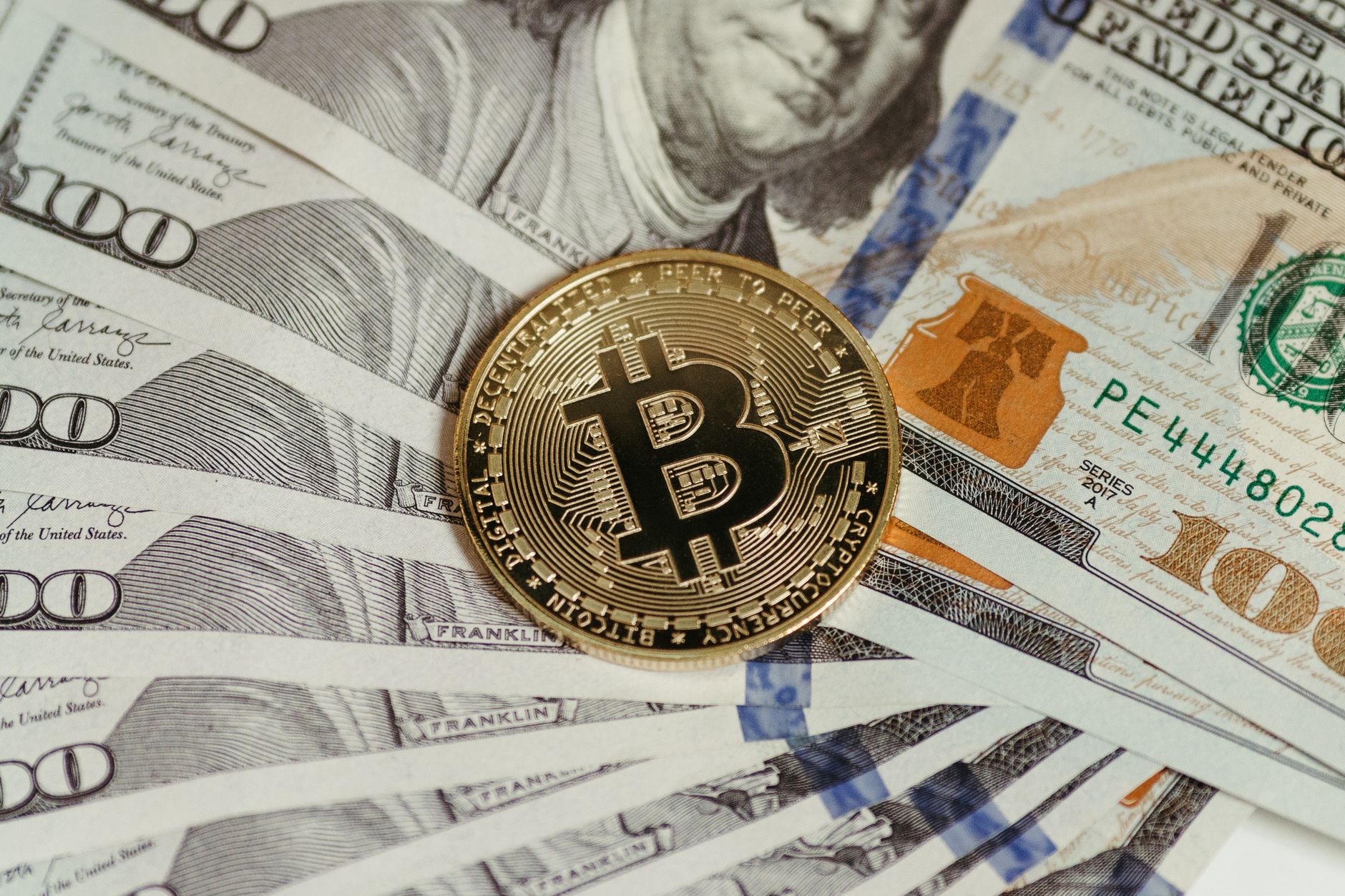
Photo by Jonathan Borba on Pexels