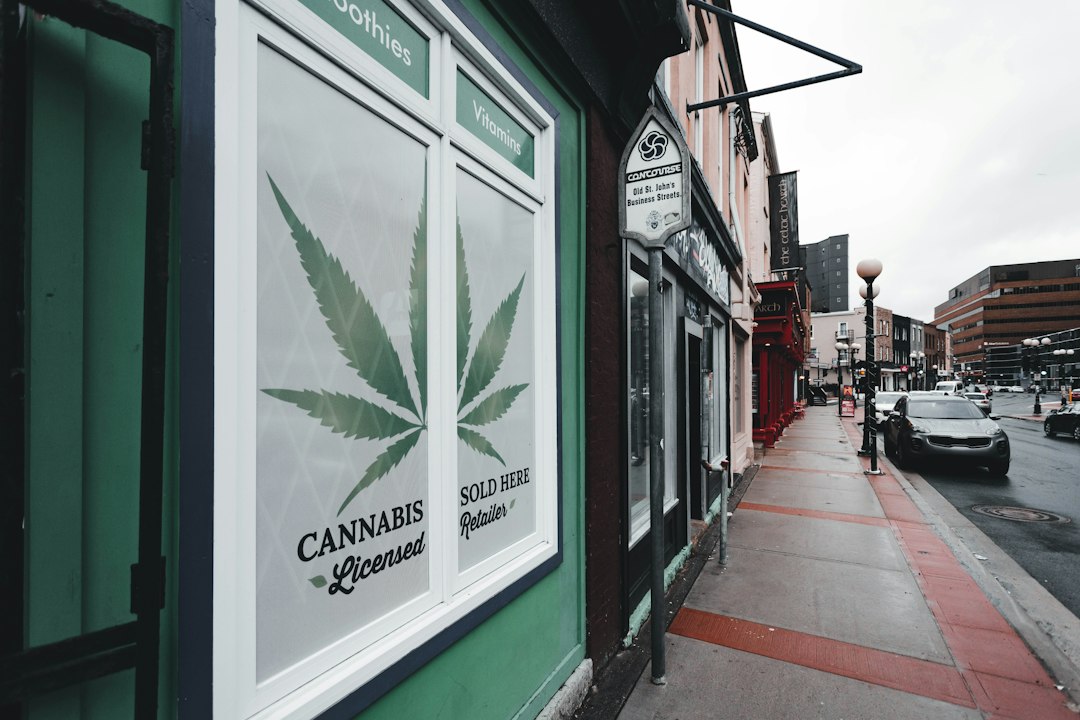
Searching for a local cannabis retailer can be straightforward when consumers understand the difference between proximity and authorization. A search for a cannabis store near me may produce numerous results, but not every listing necessarily represents a legally authorized retailer. In Canada, provincial and territorial governments determine how non-medical cannabis is sold and distributed, making local verification an important part of the shopping process.
What’s Covered
- Why Retail Authorization Matters
- Use Official Retail Information
- Compare Nearby Store Features
- Look at Packaging and Labelling
- Know the Rules Before Visiting
- Recognize Unregulated Retail Signals
- Measure Your Search by Reliable Criteria
- Key Takeaways
- Conclusion
Why Retail Authorization Matters
Canada’s regulated cannabis framework combines federal product requirements with provincial and territorial retail rules. Federal authorities regulate areas such as licensed production, processing, packaging, and product standards, while provinces and territories authorize retailers serving non-medical consumers.
As a result, consumers should verify the legal status of a store rather than relying solely on search rankings, advertisements, reviews, or map listings.
Use Official Retail Information
One of the most dependable ways to locate a legal store is to begin with the government information for the province or territory. Health Canada provides links to provincial and territorial cannabis retail information, including applicable age restrictions and purchasing arrangements.
This approach can be especially useful when travelling. A person who understands the rules in one province should not automatically assume that the same retail model applies elsewhere.
Compare Nearby Store Features
After confirming authorization, consumers can compare practical features. Location is naturally important, but other factors can affect the overall shopping experience.
Useful considerations include:
Store opening hours
Accessibility for customers
Availability of online ordering where permitted
Product categories
Clear product descriptions
Staff assistance
Age-verification procedures
Information about responsible use
These factors can make it easier to identify a retailer that fits individual needs without compromising regulatory requirements.
Look at Packaging and Labelling
Product packaging provides another important checkpoint. Health Canada requires legal cannabis products to meet specific packaging and labelling standards. These include the standardized cannabis symbol, health warnings, child-resistant packaging, and an applicable excise stamp.
Consumers can use these features to distinguish regulated products from products obtained through unauthorized channels. Reading the label carefully also provides useful information before purchase.
Know the Rules Before Visiting
Cannabis laws are not completely uniform across Canada. Provinces and territories can establish their own rules covering retail operations, legal age, public consumption, and other aspects of cannabis access.
Checking local requirements before visiting a store can therefore prevent misunderstandings. This is particularly relevant for visitors who may be unfamiliar with the rules in their destination.
Recognize Unregulated Retail Signals
A professional approach to cannabis shopping includes knowing what may indicate an unauthorized retailer. Health Canada highlights concerns such as sellers that do not verify age or use questionable promotional practices. Illegal products may also lack the testing and quality controls associated with regulated cannabis.
Consumers should be particularly careful with websites making broad claims about availability across Canada without clearly identifying their legal authorization.
Measure Your Search by Reliable Criteria
A useful way to evaluate local retailers is to organize the search around several measurable factors: authorization, location, accessibility, product information, regulatory compliance, and customer service.
Rather than selecting a store simply because it appears first in an online search, consumers can verify its legal status and then compare practical features. This creates a more consistent and informed decision-making process.
Key Takeaways
The process of finding a cannabis retailer in Canada can be divided into several straightforward stages:
Identify the province or territory.
Check its official cannabis retail information.
Confirm that the retailer is authorized.
Verify applicable age requirements.
Review store accessibility and services.
Inspect regulated product packaging and labels.
Understand local consumption and possession rules.
Avoid retailers showing signs of unauthorized activity.
Conclusion
Locating a legal cannabis retailer requires more than entering a phrase into a search engine. The most useful approach combines local government information with careful evaluation of authorization, store accessibility, product labelling, and regulatory practices. Because provincial and territorial governments manage non-medical cannabis retail within their jurisdictions, local rules should always be checked before purchasing.
A structured search helps consumers distinguish convenience from legitimacy and approach cannabis retail through informed, responsible choices.
What You Need to Know
- Consumers must verify the legal status of a cannabis store rather than relying solely on search rankings or advertisements.
- Health Canada offers links to provincial and territorial cannabis retail information which detail age restrictions and purchasing rules.
- Cannabis product packaging in Canada must include specific standards such as a standardized symbol, health warnings, and child-resistant features.
- Cannabis laws vary across provinces and territories, making it crucial for consumers to check local regulations before visiting a store.
- Indicators of unauthorized retailers include sellers that do not verify age and products lacking mandatory testing and quality control.