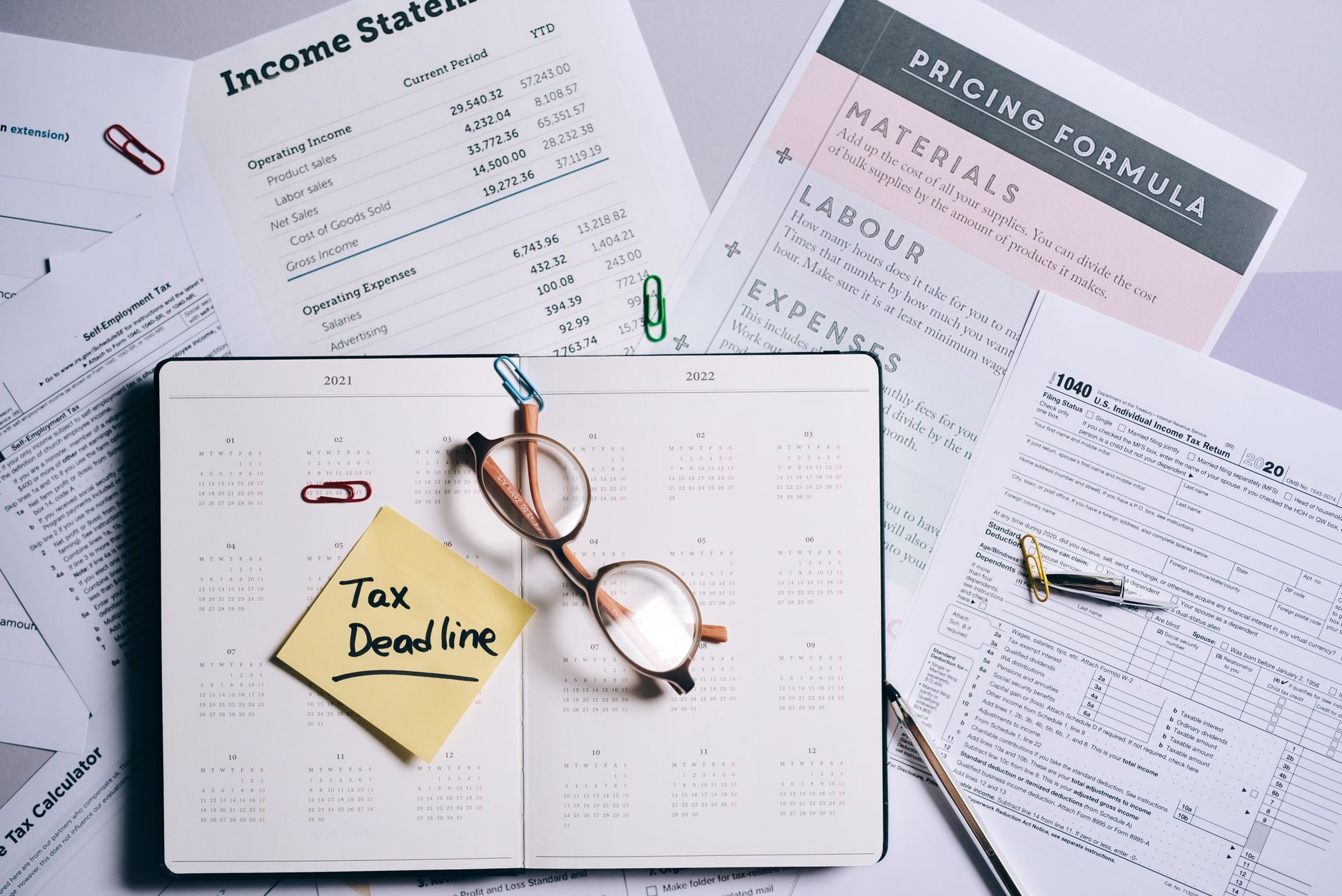
Higher tax fines are a pressing issue for many taxpayers. According to Petkova, these penalties primarily affect individuals who fail to meet their tax obligations, raising concerns about fairness and compliance.
Understanding Higher Tax Fines
Understanding higher tax fines is crucial for both individuals and businesses. These fines are designed to encourage compliance with tax laws, ensuring that everyone contributes their fair share. However, the implications of these penalties can be significant, particularly for those who fall behind on their tax obligations.
According to tax experts, the primary aim of higher tax fines is to deter non-payers from neglecting their duties. Petkova emphasizes that “higher tax fines hit only those who don’t pay,” highlighting the unfairness of the system for compliant taxpayers who meet their obligations. The increased penalties serve as a wake-up call for those who might underestimate the importance of timely payments.
The consequences of ignoring tax responsibilities can lead to:
- Financial strain: Accumulated fines can escalate quickly, putting a strain on personal and business finances.
- Legal repercussions: Persistent non-payment may result in legal actions, further complicating financial situations.
- Loss of credibility: Failing to comply can damage reputations, making it harder to secure loans or business partnerships.
Therefore, understanding the full scope of higher tax fines is essential for ensuring compliance and avoiding unnecessary penalties.
Who is Affected by Tax Penalties?
The recent increase in tax penalties has raised concerns among various groups within society. Understanding who is affected by these higher tax fines is crucial for assessing the broader implications of such policy changes.
Primarily, non-payers are the ones who will feel the brunt of the new tax penalties. These individuals often fail to meet their tax obligations for a variety of reasons, including:
- Lack of awareness: Some may not fully understand their tax responsibilities or the consequences of non-compliance.
- Financial hardship: For others, economic difficulties can make it challenging to pay taxes on time.
- Deliberate avoidance: A segment of the population may intentionally evade taxes, hoping to escape penalties.
Moreover, small businesses are also at risk, as they may struggle to navigate complex tax regulations. The impact of higher tax fines can lead to:
- Increased financial strain: Many businesses may face cash flow issues as they attempt to comply with the new penalties.
- Heightened stress: Owners may experience anxiety over potential audits and the threat of fines.
In summary, the ripple effects of higher tax fines are likely to touch numerous sectors, ultimately affecting compliance and economic stability.
Petkova’s Take on Tax Compliance
In a recent statement, tax expert Maria Petkova addressed the growing concern over higher tax fines, emphasizing their impact on non-payers. She argued that these penalties are designed not to punish compliant taxpayers but to encourage proper adherence to tax laws. Petkova stated, “Higher tax fines hit only those who don’t pay, and they serve as a necessary deterrent for tax evasion.”
According to Petkova, the purpose of implementing steeper fines is to reinforce the principle that tax compliance is essential for the functioning of society. She outlined several key points regarding the implications of these increased penalties:
- Encouragement of Compliance: Petkova believes that higher fines act as a wake-up call for those lagging behind in their tax obligations.
- Fairness in the System: She argued that compliant taxpayers should not bear the burden of funding public services while others evade their duties.
- Long-term Benefits: By discouraging tax evasion, the government can ensure better funding for essential services, ultimately benefiting all citizens.
Petkova concluded that understanding the rationale behind these higher tax fines can help cultivate a more equitable tax system.
Implications for Non-Payers
The recent implementation of higher tax fines has raised significant concerns among non-payers, ultimately leading to various implications for individuals and businesses alike. With the government tightening its grip on tax compliance, the burden of these increased penalties is likely to be felt most acutely by those who have historically evaded their tax responsibilities.
- Financial Strain: Non-payers may experience heightened financial strain as they face steeper fines, making it increasingly difficult to recover from their tax obligations.
- Increased Enforcement: Authorities are expected to ramp up enforcement efforts, targeting those who fail to comply with tax regulations. This could result in more audits and investigations.
- Long-Term Consequences: Beyond immediate financial repercussions, non-payers might suffer long-term consequences, such as damage to their credit scores and increased difficulty in securing loans or other financial opportunities.
- Public Perception: As higher tax fines become more common, public perception of non-payers may shift, leading to social stigma and isolation in financial circles.
Ultimately, the implications of higher tax fines serve as a stark reminder of the importance of tax compliance. Those who continue to neglect their tax obligations may find themselves facing not only financial penalties but also broader consequences that could impact their livelihoods.
Ways to Avoid Tax Fines
As the government ramps up its efforts to enforce tax compliance, understanding how to avoid higher tax fines becomes crucial for taxpayers. Here are some effective strategies to help you stay on the right side of tax regulations:
- Stay Informed: Regularly check for updates on tax laws and regulations. Changes can happen frequently, and being aware of them can help you avoid unintentional violations.
- Consult a Tax Professional: If you’re unsure about your tax obligations, consider hiring a tax advisor. They can provide personalized advice and ensure you meet all requirements.
- Keep Accurate Records: Maintain detailed records of your income, deductions, and expenses. Good record-keeping can help you substantiate claims and defend against potential audits.
- File on Time: Always ensure that your tax returns are submitted by the deadline. Late submissions can lead to hefty fines and interest charges, compounding your tax liabilities.
- Consider Payment Plans: If you anticipate difficulty in paying your taxes, explore payment plans offered by the IRS. Proactively addressing your tax situation can help you avoid the pitfalls of higher tax fines.
By implementing these strategies, taxpayers can significantly reduce the risk of incurring severe penalties.
The Importance of Timely Payments
Timely payments of taxes are crucial for both individuals and the government. When citizens fulfill their tax obligations on time, it ensures that public services and infrastructure can be maintained effectively. Higher tax fines serve as a deterrent for non-payers, emphasizing the significance of meeting deadlines. Failure to pay taxes promptly can lead to severe financial repercussions that extend beyond mere penalties.
One of the primary reasons for the importance of timely payments is the impact on credit ratings. Late payments can damage an individual’s credit score, making it more challenging to secure loans or mortgages in the future. Additionally, the longer a tax remains unpaid, the greater the likelihood of accruing interest and additional fines, resulting in a snowball effect that can lead to overwhelming debt.
Moreover, timely payments contribute to the overall stability of the economy. When individuals and businesses comply with tax laws, it allows governments to plan and budget effectively. This, in turn, benefits society as a whole, as funds are allocated towards essential services, such as education, healthcare, and infrastructure development. Ultimately, understanding the importance of timely payments can help individuals avoid the burden of higher tax fines.
Future of Tax Regulations
The landscape of tax regulations is evolving rapidly as authorities seek to enhance compliance and ensure that non-payers face the consequences of their actions. With the introduction of higher tax fines, the government aims to deter individuals and businesses from neglecting their tax obligations.
As the discussions around tax compliance continue, several key trends are emerging:
- Increased Enforcement: Tax agencies are ramping up audits and investigations, focusing on those who have a history of non-payment.
- Public Awareness Campaigns: Efforts are being made to educate taxpayers about the importance of compliance and the implications of higher tax fines.
- Technological Advancements: The use of data analytics is becoming common to identify potential non-payers and streamline collection processes.
- Legislative Changes: Future tax reforms may include stricter penalties for tax evasion, further increasing the stakes for non-compliance.
Ultimately, the future of tax regulations will likely focus on creating a more equitable system, where those who meet their obligations are not unfairly burdened by the actions of non-payers. As higher tax fines become the norm, individuals and businesses must prioritize timely payments to avoid severe repercussions.
By anokarina via Openverse