
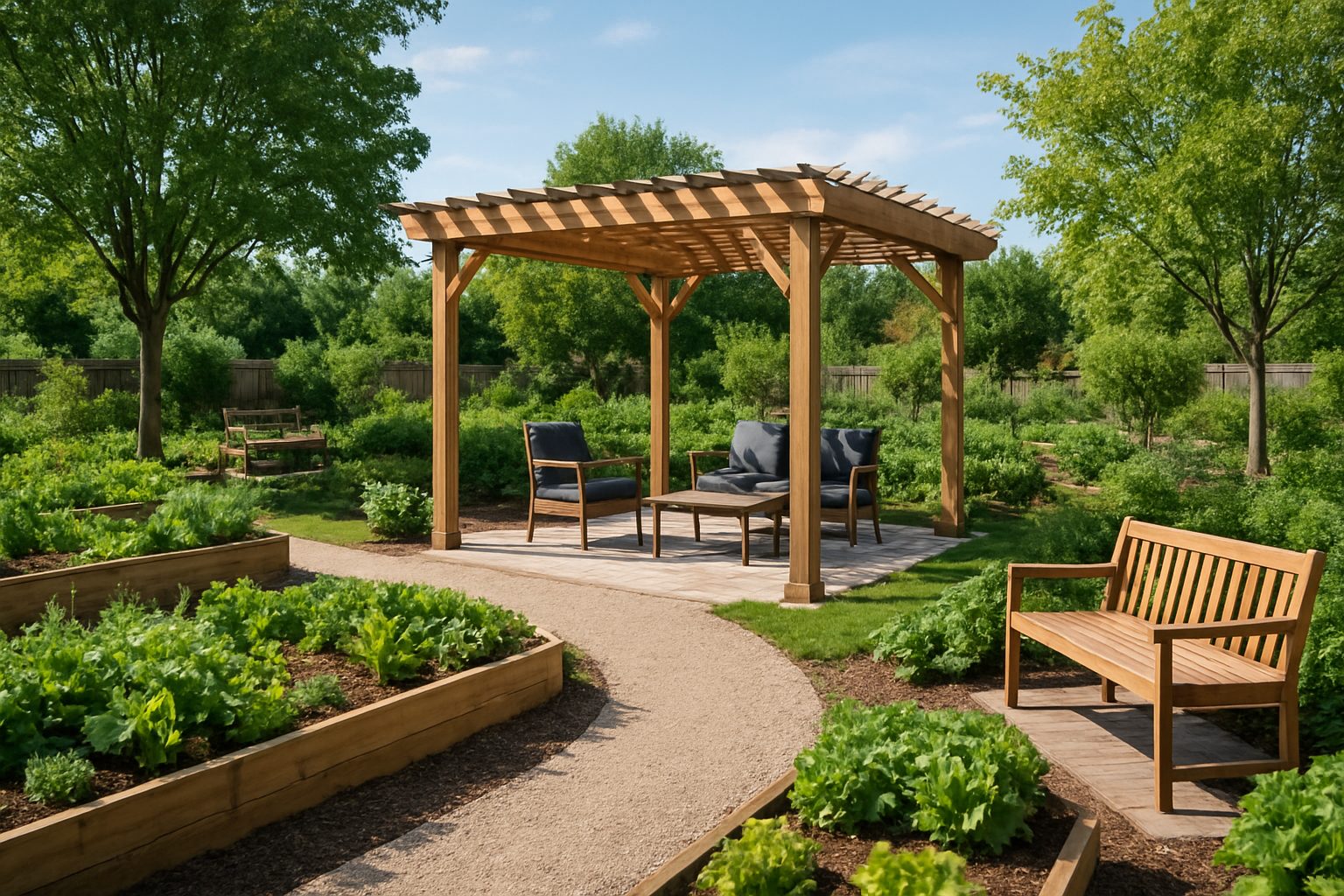
Recreational facilities have become an important part of modern residential developments in Singapore. Beyond providing places for leisure, these shared spaces influence how residents experience their homes and interact with their surroundings. Today’s buyers increasingly consider how a condominium supports relaxation, wellness, and social activities alongside traditional factors such as unit design and location. Well-planned recreational facilities can transform a residential development into a more complete living environment that supports different lifestyles and everyday needs.
What’s Covered
- Creating Opportunities for Relaxation Close to Home
- Supporting Healthier Lifestyles
- Providing Family-Friendly Spaces
- Encouraging Community Interaction
- Enhancing the Appeal of Residential Developments
- Adapting to Changing Resident Expectations
- Supporting Long-Term Residential Satisfaction
- Creating More Complete Living Experiences
Creating Opportunities for Relaxation Close to Home
One of the key benefits of recreational facilities is the convenience they provide. Having access to swimming pools, gardens, lounges, and outdoor spaces within a condominium allows residents to enjoy leisure activities without travelling elsewhere.
These facilities create opportunities for homeowners to take breaks from busy schedules and spend more time enjoying their living environment. Whether residents want a quiet place to unwind or a space for family activities, well-designed recreational areas add value to daily routines by making relaxation more accessible.
Supporting Healthier Lifestyles
Wellness-focused facilities have become increasingly common in modern condominiums. Fitness centres, jogging paths, exercise areas, and landscaped spaces encourage residents to incorporate physical activity into their daily lives.
Convenience plays an important role in maintaining healthy habits. When recreational facilities are located within the development, residents can participate in exercise and outdoor activities with fewer barriers. This accessibility helps create a lifestyle where wellness becomes a natural part of everyday living rather than an occasional activity.
Providing Family-Friendly Spaces
Recreational facilities are especially valuable for families looking for a comfortable environment to raise children. Playgrounds, swimming pools, open lawns, and activity spaces provide children with opportunities to explore, interact, and enjoy outdoor experiences in a familiar setting.
These shared facilities also allow families to spend quality time together. Parents can enjoy activities with their children while building stronger connections within the community. A condominium with suitable recreational spaces can create a more engaging and supportive environment for households of different sizes.
Encouraging Community Interaction
Shared recreational areas play an important role in helping residents connect with one another. Spaces such as barbecue areas, outdoor seating zones, and function rooms provide natural settings for social interaction.
A strong community atmosphere can enhance the overall residential experience. When neighbours have opportunities to meet through shared activities, the development can feel more welcoming and connected. This sense of community is becoming an increasingly valued aspect of condominium living.
Enhancing the Appeal of Residential Developments
The quality and variety of recreational facilities can influence how buyers perceive a condominium. Attractive facilities may create an initial impression, but their long-term value depends on how effectively they support residents’ lifestyles.
Developments such as The Serra Residences demonstrate how modern residential projects are designed with lifestyle considerations in mind. Buyers increasingly evaluate whether facilities provide meaningful benefits and contribute to a comfortable living experience beyond the private unit.
Adapting to Changing Resident Expectations
The way people use residential spaces continues to change. Many homeowners now seek developments that provide flexibility for different activities, from exercise and relaxation to social gatherings and personal hobbies.
Recreational facilities that serve multiple purposes can remain useful over time. Spaces that accommodate different age groups and interests are more likely to continue adding value as residents’ lifestyles evolve.
Supporting Long-Term Residential Satisfaction
A well-designed recreational environment can contribute to stronger resident satisfaction. Facilities that are properly maintained and thoughtfully integrated into the development help create a positive atmosphere where homeowners enjoy spending time.
Projects like Dunearn Green reflect how buyers increasingly assess homes through a complete lifestyle perspective. Recreational features, community spaces, and practical conveniences all contribute to how residents experience a property over the long term.
Creating More Complete Living Experiences
Recreational facilities are no longer viewed as optional additions within residential developments. They have become important elements that support wellness, family activities, social connections, and everyday enjoyment. A condominium that provides well-planned leisure spaces offers residents more opportunities to make the most of their home environment.
As buyer expectations continue to develop, recreational facilities will remain an important factor in defining quality residential living. The most successful developments will be those that create spaces where residents can relax, connect, and enjoy a balanced lifestyle within their own community.
What You Need to Know
- Recreational facilities in Singapore residential developments enhance residents’ experiences and interactions with their environment.
- Modern condominium buyers prioritize wellness, relaxation, and social activities, alongside traditional factors like unit design and location.
- Well-planned recreational spaces can significantly contribute to a comfortable living environment, catering to various lifestyles and daily needs.
- Family-friendly facilities, such as playgrounds and swimming pools, provide children with exploration opportunities while fostering family bonding.
- Shared recreational areas are vital for facilitating community interaction and enhancing the overall residential experience.
- The appeal of residential developments is increasingly tied to the quality and variety of recreational facilities that support long-term resident satisfaction.