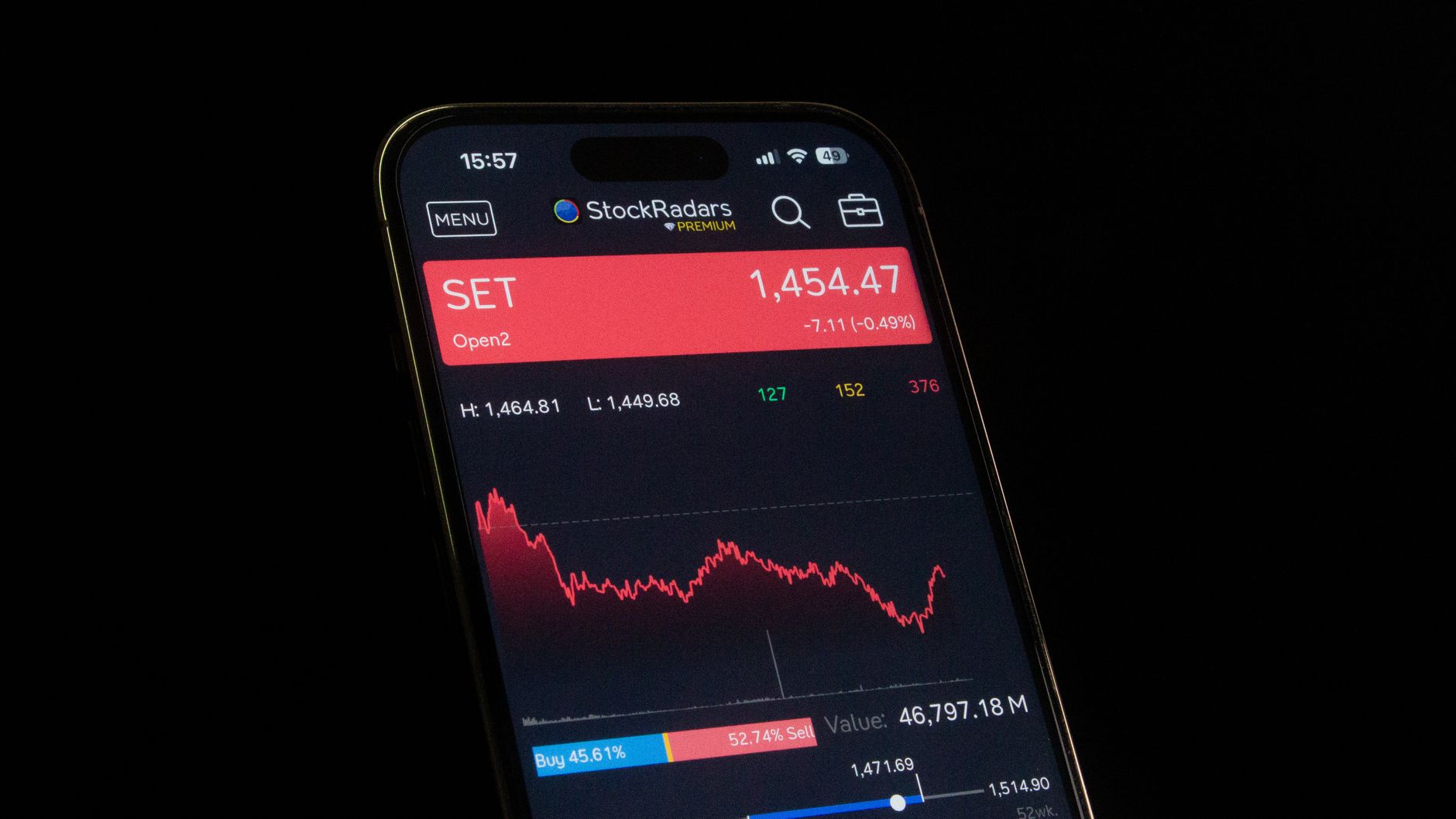
Sensex stock market experienced a notable decline today, falling 330 points as Nifty closed at 23,329. This downturn comes amid fluctuating oil prices ahead of potential US-Iran negotiations.
Market Overview Today
Today, the Sensex stock market experienced a significant downturn, reflecting growing concerns among investors. The index fell by 330 points, marking one of its worst drops in recent weeks. This decline comes amid a backdrop of fluctuating global markets and uncertainty surrounding oil prices.
As the trading session progressed, the Nifty closed at 23,329, further emphasizing the bearish trend. Analysts attribute the drop to a combination of factors, including:
- Global Economic Pressures: Increased inflation rates and potential interest rate hikes have left investors wary.
- Oil Price Volatility: Crude oil slipped to $98.9, influenced by the prospect of upcoming US-Iran talks, which could impact supply dynamics.
- Market Sentiment: A cautious sentiment prevails as investors digest recent economic data and geopolitical developments.
While some traders see this as a buying opportunity, others are taking a more conservative approach, waiting for clearer signals of recovery. The Sensex stock market’s performance today has sparked discussions about potential long-term effects on investment strategies and economic forecasts.
In summary, today’s market overview highlights the ongoing challenges faced by investors and the importance of staying informed amidst volatility.
Key Factors Influencing Sensex
The recent downturn in the Sensex stock market can be attributed to a combination of significant factors that have shaken investor confidence. Understanding these key influences is crucial for stakeholders navigating the current economic landscape.
- Global Economic Uncertainty: Ongoing geopolitical tensions, particularly surrounding the US-Iran discussions, have created a volatile atmosphere. Investors are cautious, leading to a dip in stock prices.
- Oil Price Fluctuations: With oil prices slipping to $98.9, the energy sector’s performance has direct implications on market sentiment. Higher oil costs can increase inflationary pressures, impacting overall economic growth.
- Domestic Economic Indicators: Recent economic data has shown mixed results, with certain sectors lagging. This inconsistency raises concerns about the future trajectory of India’s economic recovery.
- Interest Rate Speculations: Anticipation of potential interest rate hikes by the Reserve Bank of India has further contributed to market anxiety. Higher borrowing costs could slow down investment and consumer spending.
- Foreign Institutional Investment: A noticeable decline in foreign investment inflows is another critical factor. As foreign investors reassess their portfolios, domestic stocks face downward pressure.
These elements collectively shape the performance of the Sensex stock market, prompting investors to stay vigilant.
Nifty Performance Analysis
The Nifty performance analysis reveals significant fluctuations in the stock market, closely mirroring the trends observed in the Sensex stock market. Today, the Nifty index experienced a notable decline, resulting in a close of 23,329 points. This drop can be attributed to a combination of global market pressures and domestic economic factors that have rattled investor confidence.
Key elements contributing to this downturn include:
- Global Economic Concerns: Ongoing geopolitical tensions and uncertainty surrounding oil prices have led to increased volatility.
- Investor Sentiment: With the Sensex falling by 330 points, many investors are adopting a more cautious approach, reflecting a broader lack of confidence in the market.
- Sector Performance: Significant losses were noted in sectors such as banking, IT, and consumer goods, further affecting Nifty’s overall performance.
Despite these challenges, analysts remain hopeful for a rebound, emphasizing the importance of focusing on long-term strategies. As the Nifty navigates this turbulent period, insights from market experts suggest that investors should remain vigilant and consider potential opportunities for growth. Understanding the factors that influence the Sensex stock market will be crucial in making informed investment decisions moving forward.
Oil Price Trends
The recent fluctuations in oil prices have significantly impacted the Sensex stock market, contributing to its worst drop in recent times. As of today, oil prices have slipped to $98.9, a decline that coincides with anticipated discussions between the US and Iran regarding nuclear negotiations. This uncertainty in the oil market has created ripples throughout global financial systems.
Several factors have contributed to the current oil price trends:
- Geopolitical Tensions: The potential for renewed talks between the US and Iran has raised questions about future oil supply, leading to volatility.
- Market Speculation: Traders are reacting to news and speculation surrounding these diplomatic discussions, causing fluctuations in oil prices.
- Supply Chain Concerns: Ongoing issues in supply chains have led to fears of disruptions in oil production and distribution.
- Demand Variability: Global demand for oil remains uncertain due to varying economic recoveries from the pandemic.
As these trends unfold, investors in the Sensex stock market are advised to stay informed and cautious, as the implications of oil price fluctuations could continue to influence market performance in the coming weeks.
Impact of US-Iran Talks
The ongoing talks between the US and Iran have had a significant impact on the Sensex stock market, contributing to its recent downturn. As the discussions progress, uncertainty looms over oil supply, which is a critical factor influencing market stability.
Analysts believe that any potential agreement or escalation in tensions could lead to drastic fluctuations in oil prices, directly affecting investor sentiment. The possibility of increased sanctions or a military confrontation could drive oil prices higher, creating a ripple effect across global markets.
Market experts foresee that:
- Heightened Volatility: The Sensex may experience increased volatility as investors react to news from the negotiations.
- Investor Sentiment: Concerns over rising oil prices can lead to risk-averse behavior, pushing investors away from equities.
- Sector-Specific Impact: Industries heavily reliant on oil, such as transportation and manufacturing, may see significant declines.
With the Sensex already down by 330 points today, the outcome of the US-Iran talks remains critical. Traders are closely monitoring developments, as any abrupt changes could further exacerbate the current market scenario.
Investor Reactions
Investor reactions to the recent drop in the Sensex stock market have been overwhelmingly negative, reflecting a wave of concern over current economic conditions. Following a significant decline of 330 points, many investors are reassessing their portfolios and strategies.
The mood on the trading floor is tense, with a palpable sense of uncertainty among market participants. Analysts note that the fear of rising oil prices combined with geopolitical tensions have made investors particularly cautious. Key reactions include:
- Increased selling pressure: Many investors are offloading stocks to minimize losses, leading to heightened volatility.
- Shift to safer assets: There has been a noticeable trend towards investing in gold and government bonds as a hedge against market instability.
- Calls for strategic adjustments: Some financial advisors are recommending a diversified approach to mitigate risks associated with the Sensex stock market fluctuations.
Overall, the recent downturn has prompted a reevaluation of investment strategies as investors brace for potential further declines amidst ongoing uncertainties. The market’s reaction underscores the fragility of current economic conditions and the impact of external factors on investor confidence.
Future Market Predictions
The future of the Sensex stock market is currently under intense scrutiny as investors and analysts navigate a landscape fraught with uncertainty. Several predictive models suggest that the volatility witnessed in recent weeks may continue in the short term, influenced by both domestic and international factors.
- Global Economic Indicators: Economic data from major economies, particularly the US and China, will play a critical role in shaping market expectations. Slowdowns in these regions could lead to further declines in the Sensex.
- Monetary Policy Changes: The Reserve Bank of India’s stance on interest rates will significantly impact investor sentiment. Any adjustments could either stabilize or disrupt the market.
- Geopolitical Events: Ongoing tensions in the Middle East, especially concerning the US-Iran situation, could lead to fluctuations in oil prices and subsequently affect the broader market.
- Corporate Earnings Reports: The upcoming earnings season will provide insights into the profitability of key sectors, influencing investor decisions and potentially steering the direction of the Sensex.
While the current sentiment leans towards caution, any positive developments in these areas could provide a rebound opportunity for the Sensex stock market in the coming weeks.
Conclusion and Insights
In summary, the recent performance of the Sensex stock market reflects a tumultuous period for investors, with the index experiencing its worst drop in recent times. The cumulative effects of various factors, including geopolitical tensions and fluctuating oil prices, have significantly influenced market sentiment.
As we analyze the implications of the downturn, several insights emerge:
- Investor Caution: With the Sensex falling drastically, many investors are adopting a more cautious approach, reevaluating their portfolios in light of potential risks.
- Global Influences: The ongoing US-Iran talks are critical, as any developments could lead to further volatility in oil prices, directly impacting the stock market.
- Sector Performance: Certain sectors have shown resilience despite the overall market decline, suggesting that targeted investments may yield better returns.
- Long-Term Outlook: While current trends appear concerning, analysts suggest that historical patterns indicate potential recovery in the stock market over time.
Ultimately, it is essential for investors to remain informed and agile, adapting to the ever-changing landscape of the Sensex stock market. Keeping a close watch on both domestic and global events will be crucial for navigating future fluctuations.
Photo by StockRadars Co., on Pexels